


The tie and the bow tie sit in the same place, at the collar of the shirt, yet they say two very different things. The tie is the companion of everyday elegance, from the office to dinner. The bow tie belongs to the evening, to ceremonies and to the great occasions of formal dress. Choosing between them is not a question of taste alone, but of dress code, time of day and the garment you wear. At Dalsarto, both are part of the formal wardrobe, from sartorial silk ties to silk and grosgrain bow ties for the tuxedo. These are the golden rules for choosing between bow tie and tie.
The dress code rule: black tie means bow tie
When should you wear a bow tie instead of a tie? The golden rule is simple: when the invitation says black tie, the bow tie is required. Black tie is the evening dress code built around the tuxedo, and the bow tie is part of its identity, so much so that it gives the dress code its name. For business, daytime events and most dinners, the tie is the right choice. If the invitation says "formal" or "cocktail", a dark suit with a refined tie is always correct. Knowing the dress code is the first step, and it settles most doubts before they arise.
The tuxedo rule: the bow tie completes it
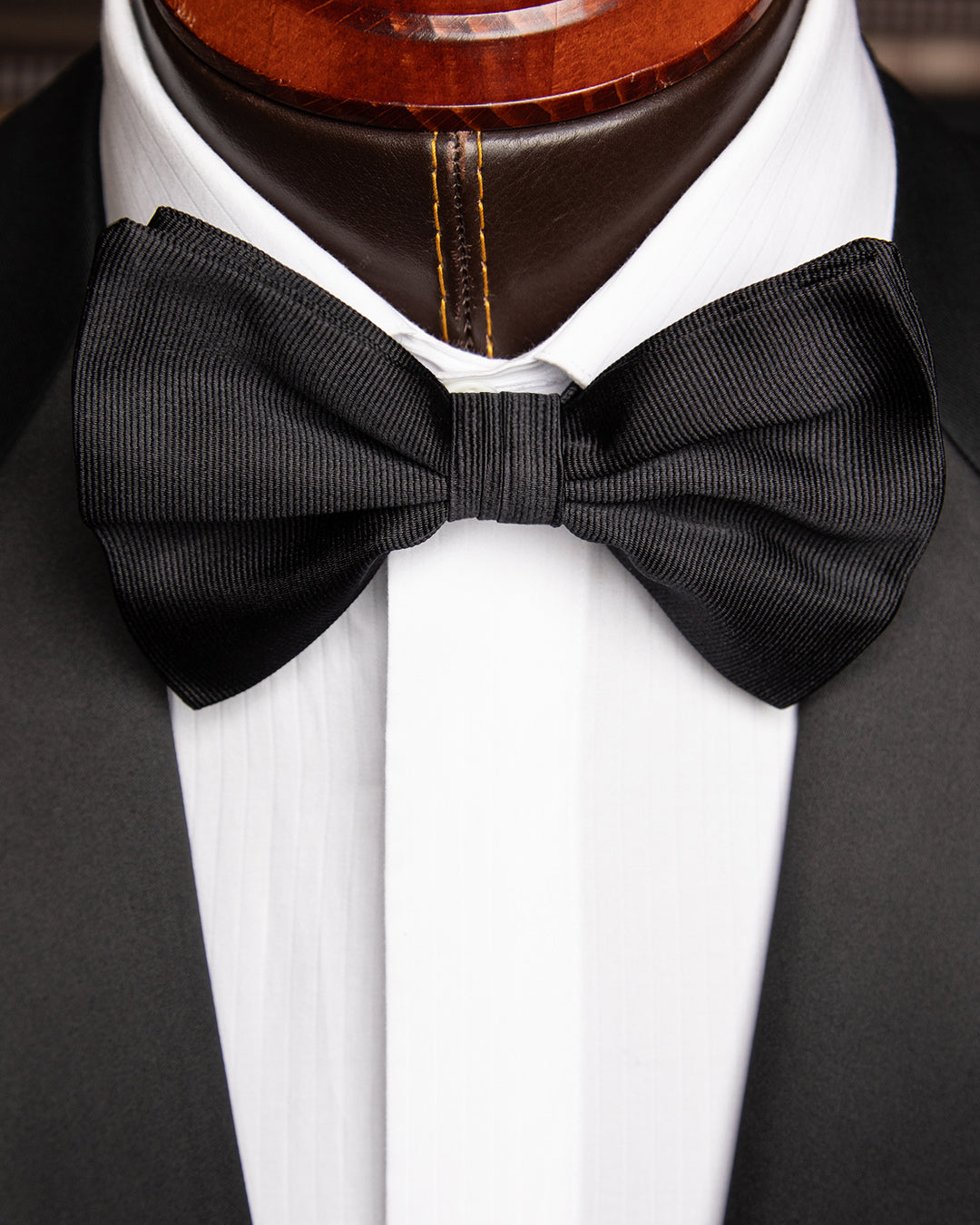
Can you wear a tie with a tuxedo? It is possible in modern, less formal settings, but the classic and most elegant choice for a tuxedo is always a bow tie. The bow tie keeps the neckline open and clean, showing the shirt and the satin or grosgrain of the lapels. A traditional rule is to match the bow tie to the lapel facing: shiny silk with satin lapels, grosgrain with grosgrain. A Dalsarto tuxedo such as the Caravaggio, with its wide shawl lapel, finds its natural partner in the Dalsarto black silk bow tie, made in shiny 100% silk and designed for tuxedos and formal suits. With a long tie, the same tuxedo would lose part of its ceremonial character.
The color rule: black first, midnight blue second
What color should a bow tie be? The classic color is black, which goes with every tuxedo and every formal shirt. The elegant alternative is midnight blue or deep blue, which looks even richer under artificial light and pairs beautifully with blue tuxedos. Dalsarto offers both: the black silk bow tie and blue bow ties in silk and grosgrain, which Dalsarto describes as ideal for enhancing suits and tuxedos. A blue bow tie works especially well with the blue tuxedos of The Dalsarto Blue collection. Brightly colored or patterned bow ties are a creative choice for less formal events, not for black tie.
The wedding rule: day or evening decides
Should the groom wear a bow tie or a tie? It depends on the time of the wedding. For a daytime ceremony with a suit, a light, festive silk tie is the classic choice. For an evening wedding, or when the groom wears a tuxedo, the bow tie is the most elegant option. Guests should follow the dress code on the invitation and avoid outshining the groom. The Dalsarto black silk bow tie is listed for ceremonies, weddings, day and evening, so it suits both the groom's tuxedo and a formal guest. Whatever you choose, the neckwear should be decided together with the suit, as one look.
The proportion rule: the bow tie and the collar
How big should a bow tie be? A bow tie should be in proportion to the face and the collar: as a classic guideline, its width should not go beyond the outer edges of the face. A bow tie that is too small looks timid, and one that is too large looks theatrical. The shirt collar matters too: a French (spread) collar or a wing collar frames a bow tie best, while a button-down collar belongs with a long tie. The adjustable strap of the Dalsarto bow ties lets you get the fit right, so the bow sits close to the collar without pressing. For the long tie, many Dalsarto ties have a classic width of 8 cm, balanced with the lapel of the jacket.
The personality rule: a bow tie with a suit
Can you wear a bow tie with a suit? Yes, but it is a personal choice that makes a strong statement. Outside black tie, a bow tie with a suit looks creative and a little eccentric, which can suit artistic professions, parties and some ceremonies. In the office and in business meetings, the tie remains the sober, correct choice. With a suit, a textured grosgrain bow tie looks more relaxed than a shiny satin one. The Dalsarto blue grosgrain bow tie, for example, is described as combining classic elegance with personality, without giving up sobriety.
| Occasion | Tie or Bow Tie | Why | The Dalsarto Choice |
|---|---|---|---|
| Black tie event | Bow tie | Required by the dress code | Black silk bow tie |
| Blue tuxedo | Bow tie | In harmony with the evening tone | Blue silk or grosgrain bow tie |
| Evening wedding (groom) | Bow tie | The most ceremonial option | Black silk bow tie |
| Daytime wedding | Tie | Lighter and festive | Pearl grey jacquard silk tie |
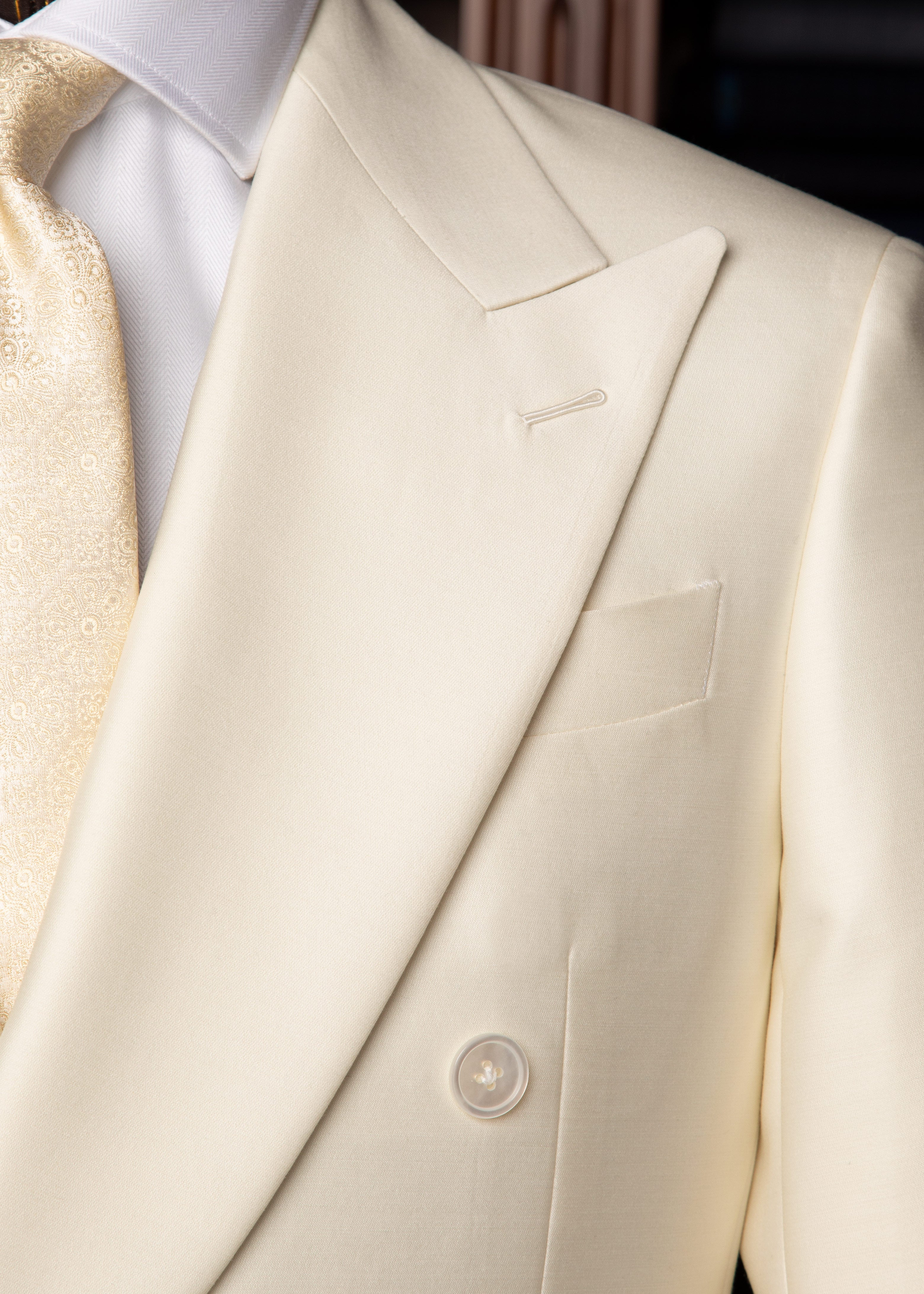
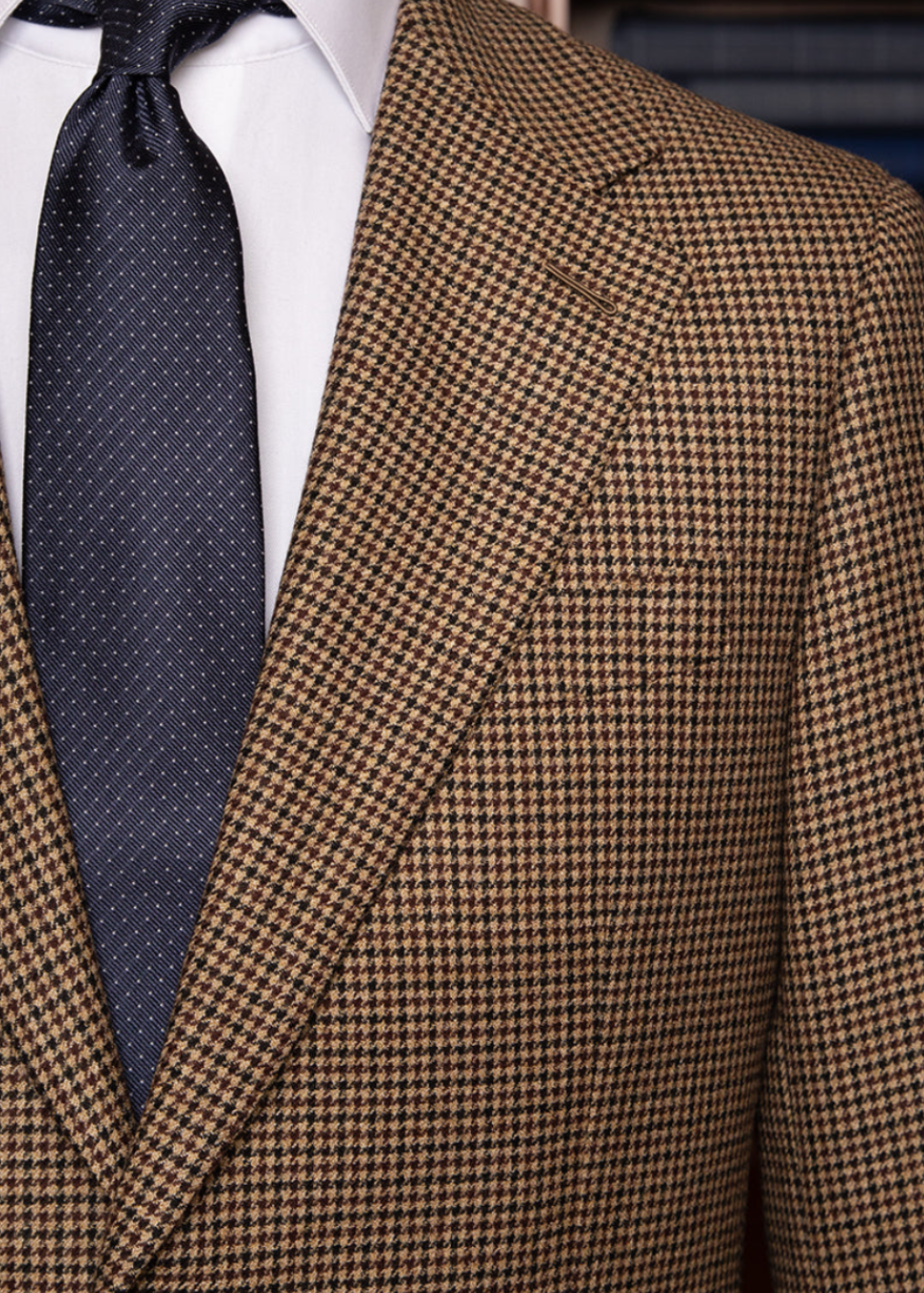
| Business and office | Tie | Sober and professional | Sartorial silk ties in navy, grey or ruby |
| Party or creative event | Either | A bow tie with a suit adds personality | Blue grosgrain bow tie |
The value of choosing with Dalsarto
Why does the choice between bow tie and tie matter? Because neckwear is the clearest sign of whether you have understood the occasion. The bow tie speaks of evening, ceremony and celebration, while the tie speaks of work, day and everyday elegance. The Dalsarto wardrobe covers both, from the sartorial silk ties to the silk and grosgrain bow ties designed for tuxedos and formal suits. Choosing the right one means completing your suit with the same care that went into making it. From the Dalsarto atelier in Rome, every formal look ends at the collar.