


Last updated: November 2026
The diplomatic dress code is the set of clothing rules set by protocol for official meetings, ceremonies and receptions: for men, the foundation is a dark suit, navy or charcoal, with a white shirt and a sober tie. In diplomacy, clothing is a form of respect towards the host and the institution you represent. Every occasion, from a working meeting to a gala dinner, has a precise code, often stated on the invitation. Rome, home to embassies to both Italy and the Holy See, is one of the capitals where these rules matter most. From Dalsarto, a few steps from the Spanish Steps, here is a clear guide to the diplomatic dress code.
In brief
- The foundation of the diplomatic dress code is a dark suit, navy or charcoal, with a white shirt and a sober tie.
- "Dark suit" on an invitation means a navy or charcoal suit with a tie, not a black suit.
- At embassy receptions, a dark suit is the norm unless stated otherwise.
- Black tie means a tuxedo; white tie means a tailcoat, the most formal evening wear.
- Sobriety, a precise fit and attention to detail matter more than fashion.
What is the diplomatic dress code?
The diplomatic dress code is the formal clothing code set by protocol for official occasions, favoring sobriety, dark colors and classic lines. Its purpose is to keep the focus on people and the meeting, not on clothes. The rules vary slightly from country to country, but the principles are shared internationally. The invitation almost always states the level of formality required, with wording such as "dark suit", "black tie" or "white tie". Following them is a sign of consideration towards the host.
How do diplomats dress every day?
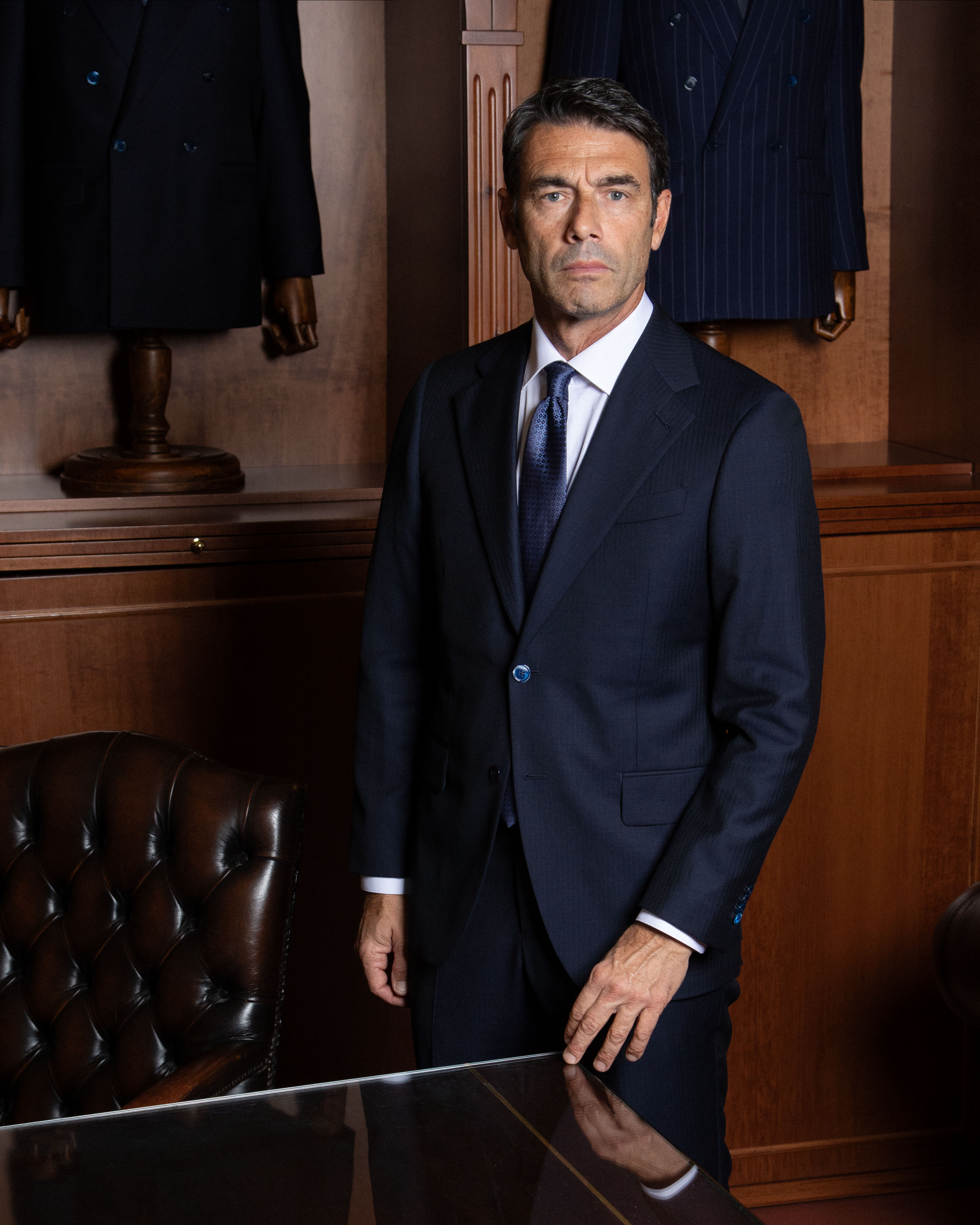
In daily work, a diplomat wears a navy or dark grey full suit, with a white or light blue shirt and a silk tie with a discreet pattern. It is the same code as business formal, applied with particular rigor. The jacket stays buttoned when standing, especially during meetings and official photographs. Loud patterns and light colors are best avoided. The Giotto suit in Dalsarto Blue, single-breasted in pure wool with a classic lapel, is an example of the sobriety protocol requires. The white Dalsarto shirt with French collar, in Egyptian cotton, completes the look with elegance.
What does "dark suit" mean on an invitation?
"Dark suit" on an invitation means a navy or charcoal full suit, with a white shirt and a tie: it is the most common wording for official occasions in Italy. Despite the name, it does not mean a black suit, which protocol reserves for the evening or for mourning. It is the typical code for ceremonies, official conferences, inaugurations and daytime receptions. A tie is required, while a waistcoat and a double-breasted suit are both acceptable. The Giotto suit in London smoke grey, in Super 120s wool, is a correct answer to a dark suit invitation.
What should you wear to an official ceremony or audience?
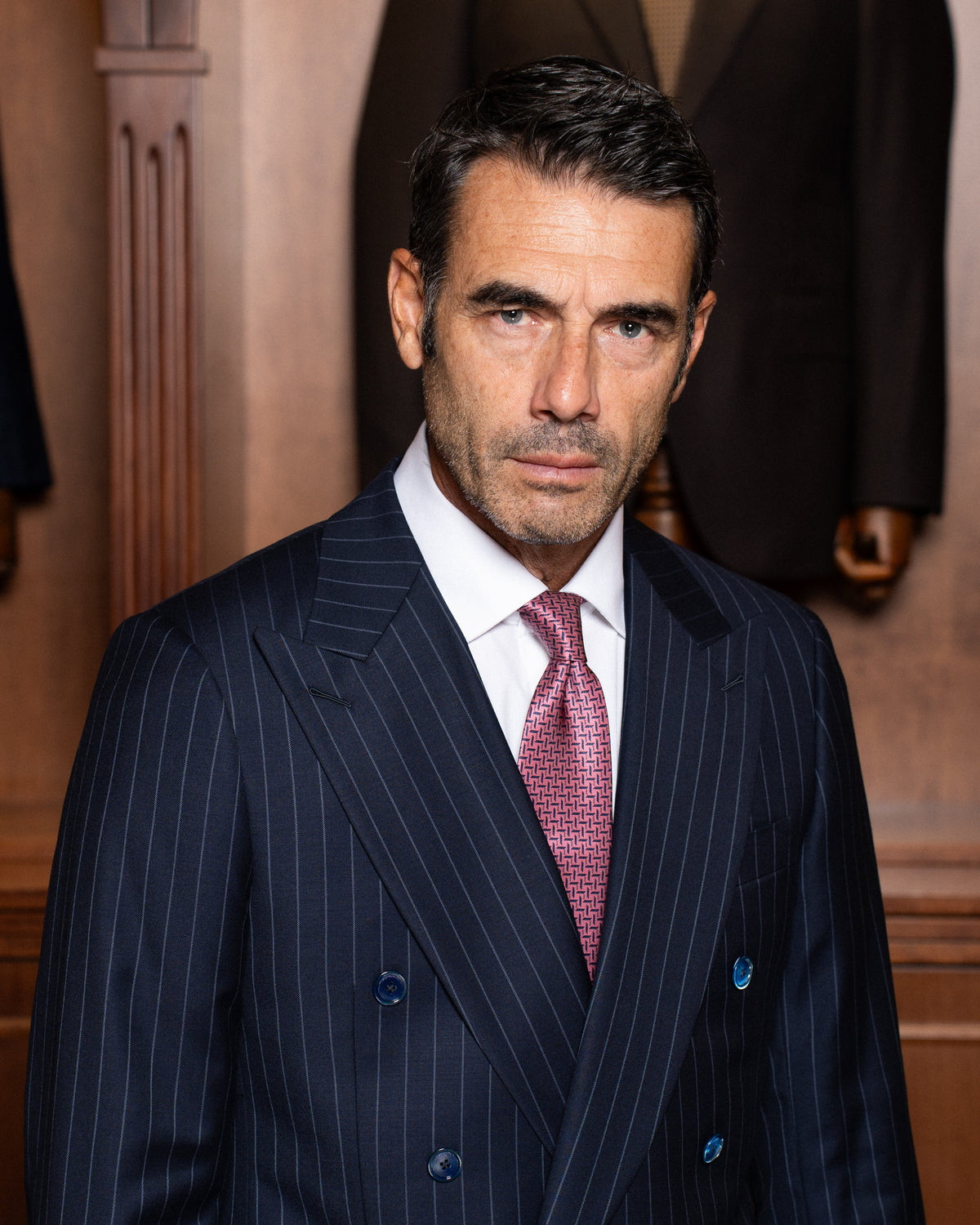
At an official ceremony or audience, wear the most formal dark suit in your wardrobe, with a white shirt and a dark tie, unless protocol states otherwise. For some daytime ceremonies, protocol may require a morning coat or, for diplomats from some countries, national dress or uniform. For audiences at the Vatican, a dark, sober suit is normally required. When in doubt, always ask the protocol office. The Perugino suit in Dalsarto Blue, a 6x1 double-breasted, gives the authority suited to the most solemn occasions.
What should you wear to an embassy reception?
At an embassy reception, such as a national day celebration, a dark suit with a tie is the norm, unless the invitation says black tie. Diplomatic receptions bring together ambassadors, institutions and guests, often standing for several hours. That is why the suit must stay neat and the jacket buttoned. A silk tie, in navy or another sober color, is the detail that completes the look. The midnight blue tie with white micro-dots is discreet and perfect with navy and grey suits.
What do black tie and white tie mean?
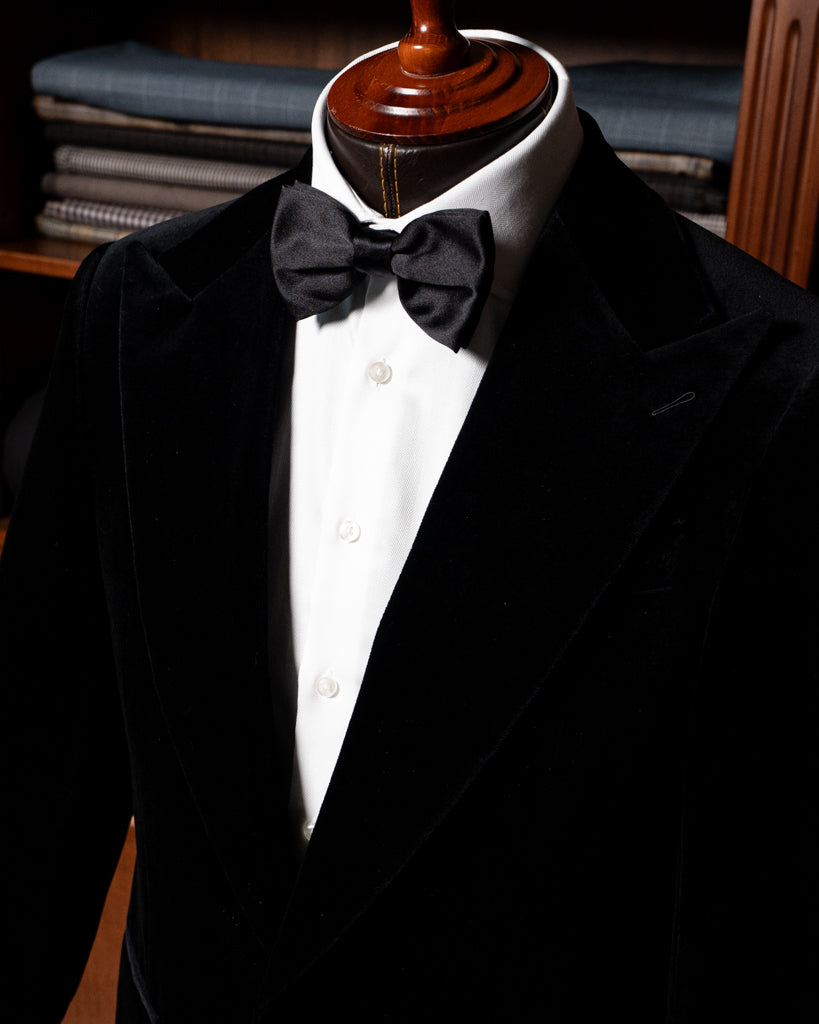
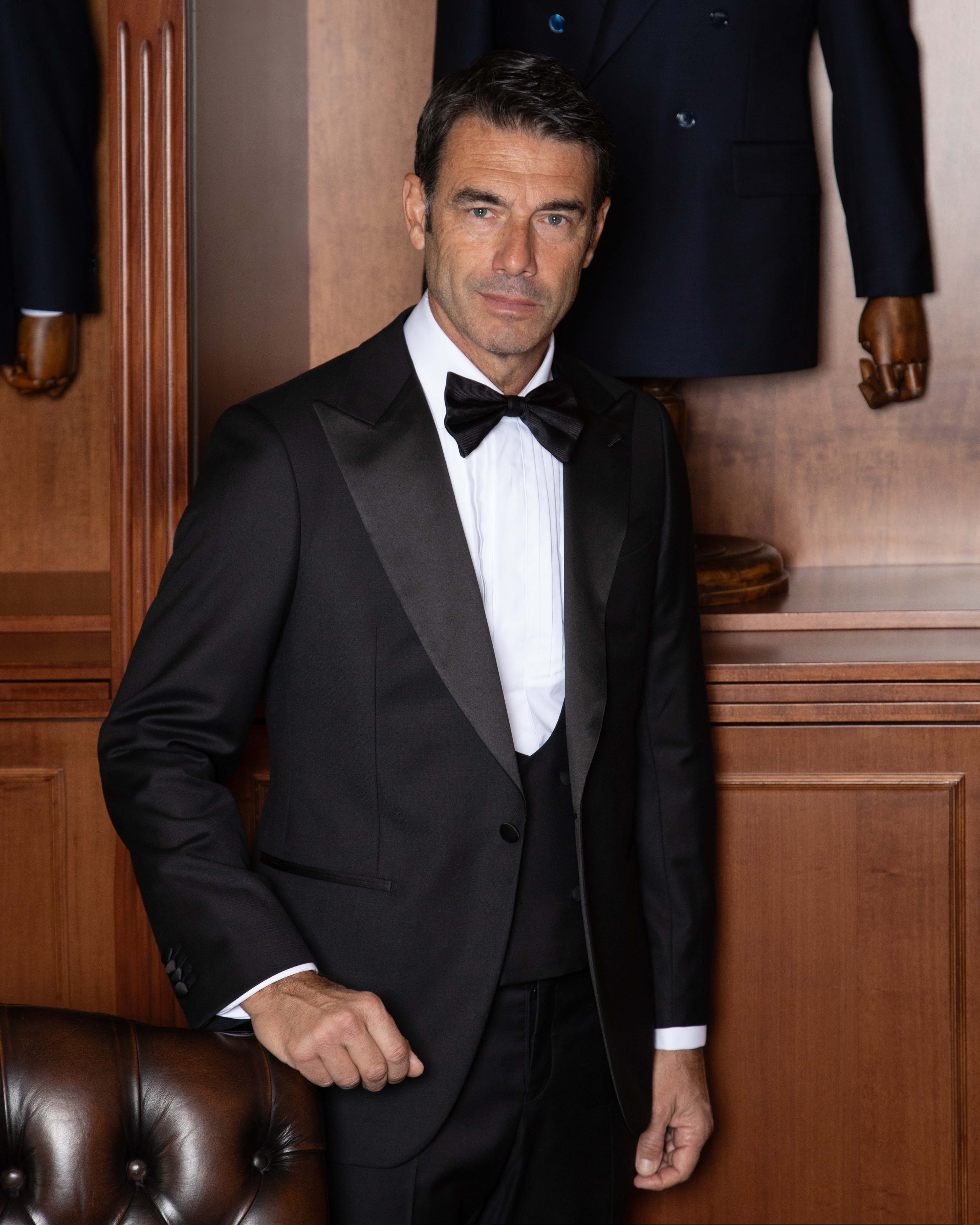
Black tie means a tuxedo with a black bow tie, while white tie means a tailcoat with a white bow tie, the most formal evening code of all. Black tie is the typical code for gala dinners and the most important evening receptions. White tie is very rare today and reserved for a handful of state occasions. When the invitation says black tie, a dark suit is not enough. The Michelangelo tuxedo in plain black, in wool and in a three-piece version, is the correct answer to a black tie evening.
Which mistakes should you avoid with the diplomatic dress code?
The most common mistakes are confusing "dark suit" with a black suit, showing up without a tie and choosing colors or patterns that are too loud. In protocol, everyone notices the details. Here is what to avoid:
- A black suit during the day: protocol reserves it for the evening or mourning.
- No tie: it is always required at official occasions.
- Light colors and loud patterns: they draw attention away from the meeting.
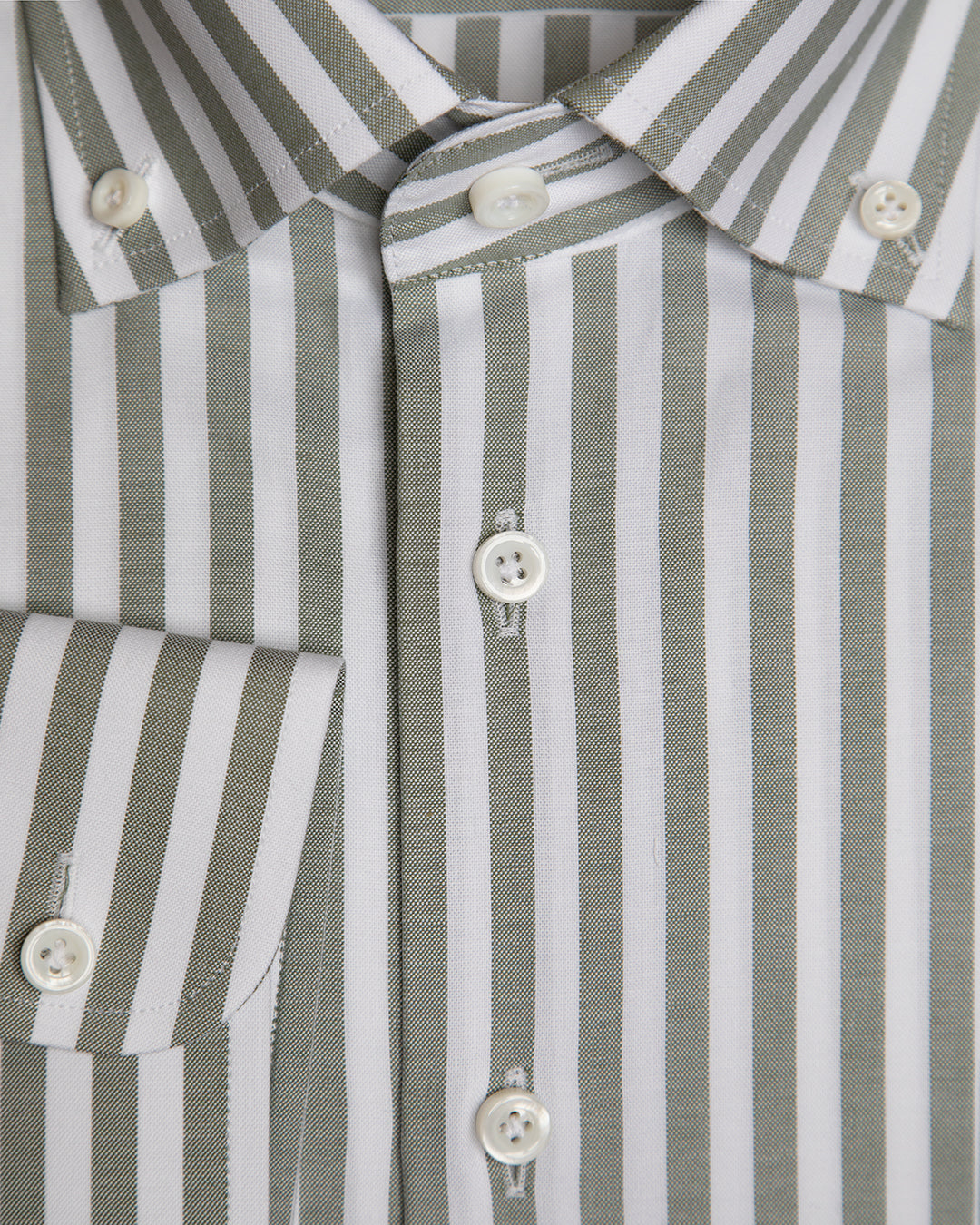
- Button-down collar: an informal collar, not suited to protocol.
- Unbuttoned jacket when standing: button it for greetings and photos.
- Ignoring the invitation: the wording always states the level required.
| Occasion | Invitation wording | What to wear |
|---|---|---|
| Working meeting | None or business formal | Navy or grey suit, white or light blue shirt, tie |
| Daytime official ceremony | Dark suit | Navy or charcoal suit, white shirt, dark tie |
| Embassy reception | Dark suit | Dark suit with a silk tie |
| Gala dinner | Black tie | Tuxedo, white shirt, black bow tie |
| State evening | White tie | Tailcoat, white shirt, white bow tie |
Why does the diplomatic dress code still matter today?
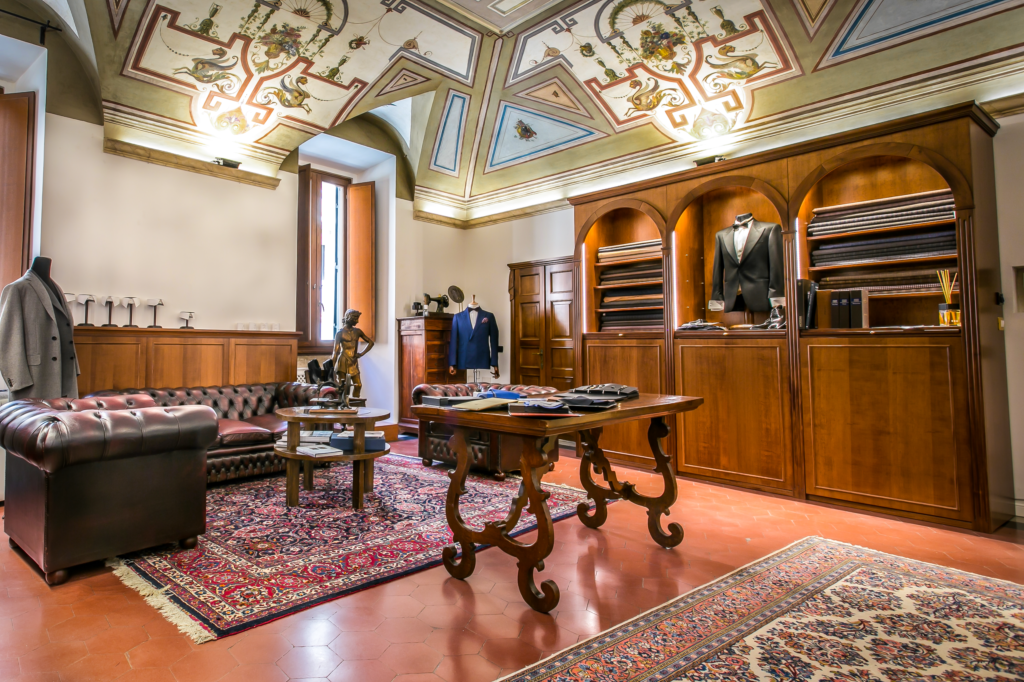
Because in diplomacy, clothing communicates respect, reliability and consideration for the other person even before words do. A sober, well-cut suit lets you feel at ease at every official occasion, from a meeting to a gala. With a few essential pieces, a navy suit, a charcoal suit and a tuxedo, you can meet almost every protocol requirement. At Dalsarto, suits and tuxedos are available ready to wear and made to measure. At the Dalsarto atelier in Rome, you can build a wardrobe suited to every official occasion.
Frequently asked questions
Does "dark suit" mean a black suit? No, it means a navy or charcoal suit with a tie; black is reserved for the evening or mourning.
What is the difference between dark suit and business formal? They are very similar; business formal is explained in the business formal guide.
What should you wear if the invitation says black tie? A tuxedo with a white shirt and a black bow tie; all the rules are in the guide to the men's tuxedo.
Is a double-breasted suit suitable for official occasions? Yes, it is considered very formal; the differences are in the guide on single vs double-breasted suits.
Bow tie or tie at a reception? A tie with a dark suit, a bow tie with a tuxedo; see the guide on bow tie or tie.
Which tie should you choose for an official occasion? A dark silk tie with a discreet pattern; the details are in the guide on how to match a tie with a suit and shirt.
Which shirt color suits protocol? White is the most formal, light blue works during the day; see the guide to shirt colors.
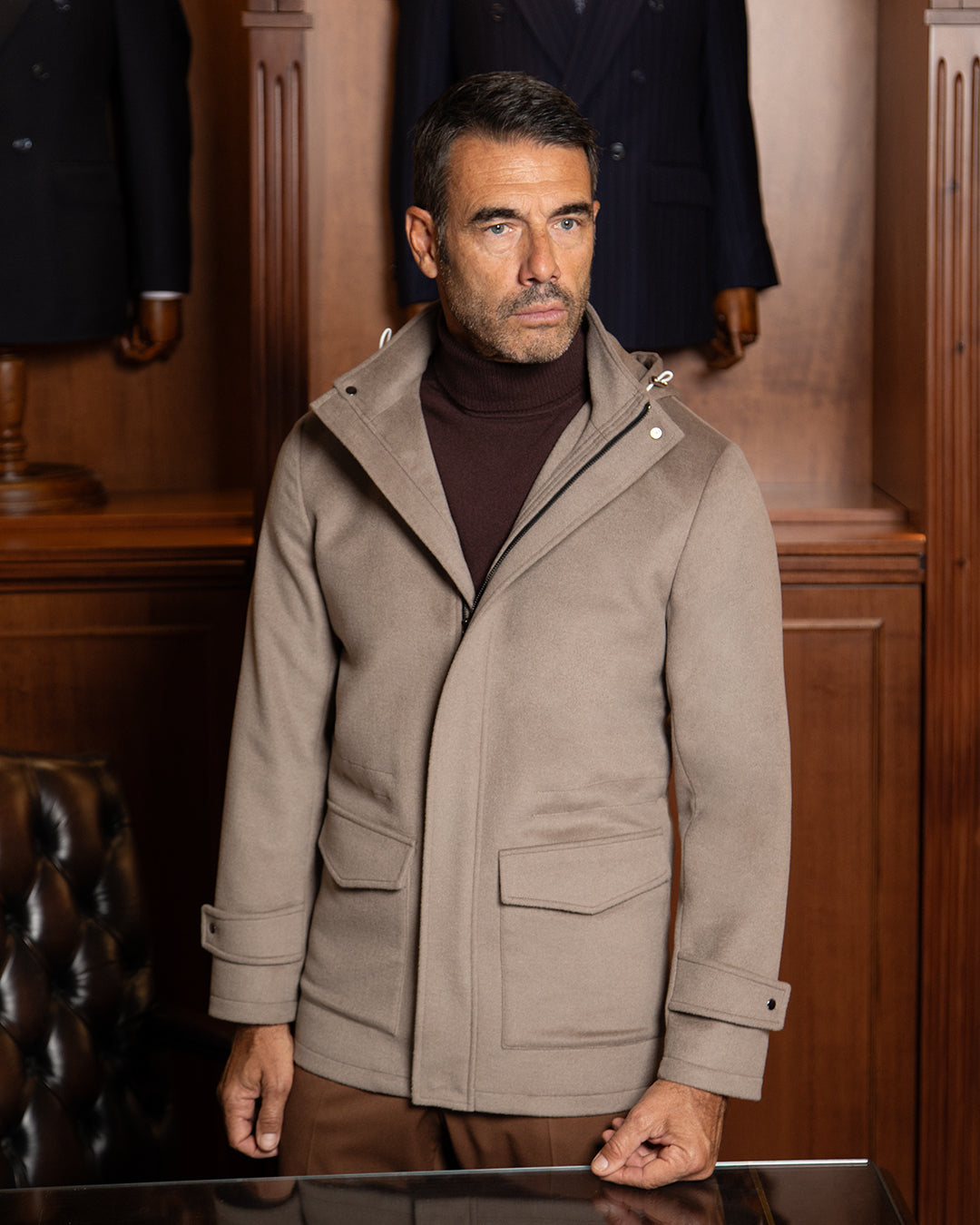
How should you dress for official events in winter? A heavier wool suit and a dark overcoat; see the guide to the winter business dress code.