


The invitation arrives, the date goes into the calendar, and then your eyes stop on those two or three words at the bottom of the card: "black tie", "cocktail", "formal". The dress code is how the couple communicates the tone of the celebration, and respecting it is the first gift a guest can give. Yet these phrases often raise doubts, especially when they appear in English on an Italian invitation. At Dalsarto, every dress code has a precise answer, from the tuxedo to the separate jacket. Here is what each phrase means and what to wear so you are always in the right place.
Black tie: the tuxedo is required
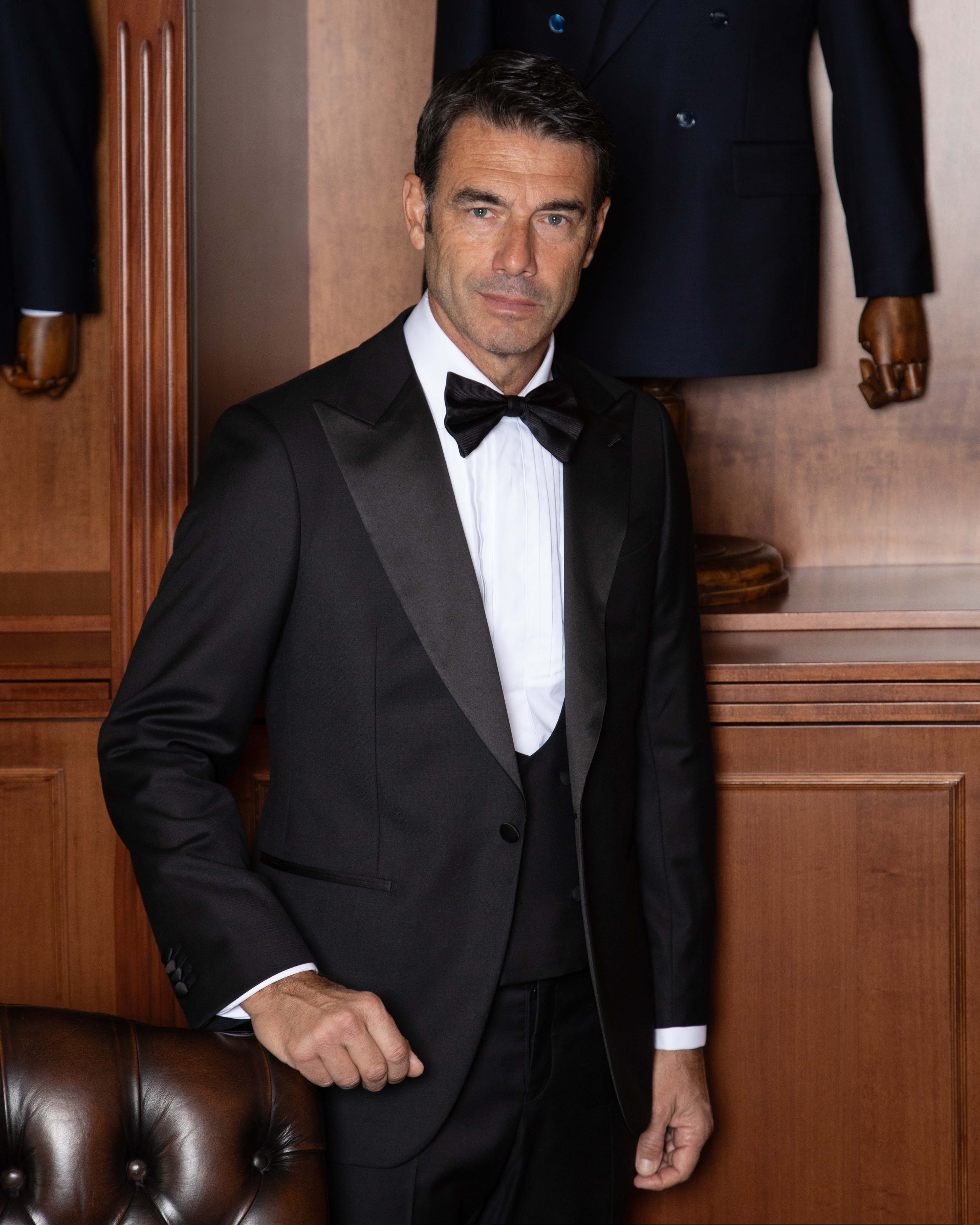
What does black tie mean on a wedding invitation? Black tie means men must wear a tuxedo: an evening jacket with satin lapels, pants with a side stripe, a tuxedo shirt and a black bow tie. It is the most formal dress code you are likely to meet today, and it is almost always reserved for evening weddings. A dark suit, however elegant, is not a correct answer. The Michelangelo tuxedo in plain black by Dalsarto, in wool and in a three-piece version, is the most classic and safest choice. With a black silk bow tie and a white tuxedo shirt, it honors black tie in every detail.
Black tie optional: tuxedo recommended
What is the difference between black tie and black tie optional? With black tie optional, the couple signals that a tuxedo is welcome but not required: men who do not own one can wear a dark suit, midnight blue or charcoal, with a white shirt and a dark tie. If you do own a tuxedo, though, this is the right occasion to wear it. The evening will still be very elegant, so it is best to avoid light suits or separate jackets. The Michelangelo Dalsarto Blue tuxedo with blue satin, with a peak lapel and a single button, is a refined alternative to black, perfect for this dress code. Under artificial light, midnight blue looks almost as deep as black.
Formal: the dark suit
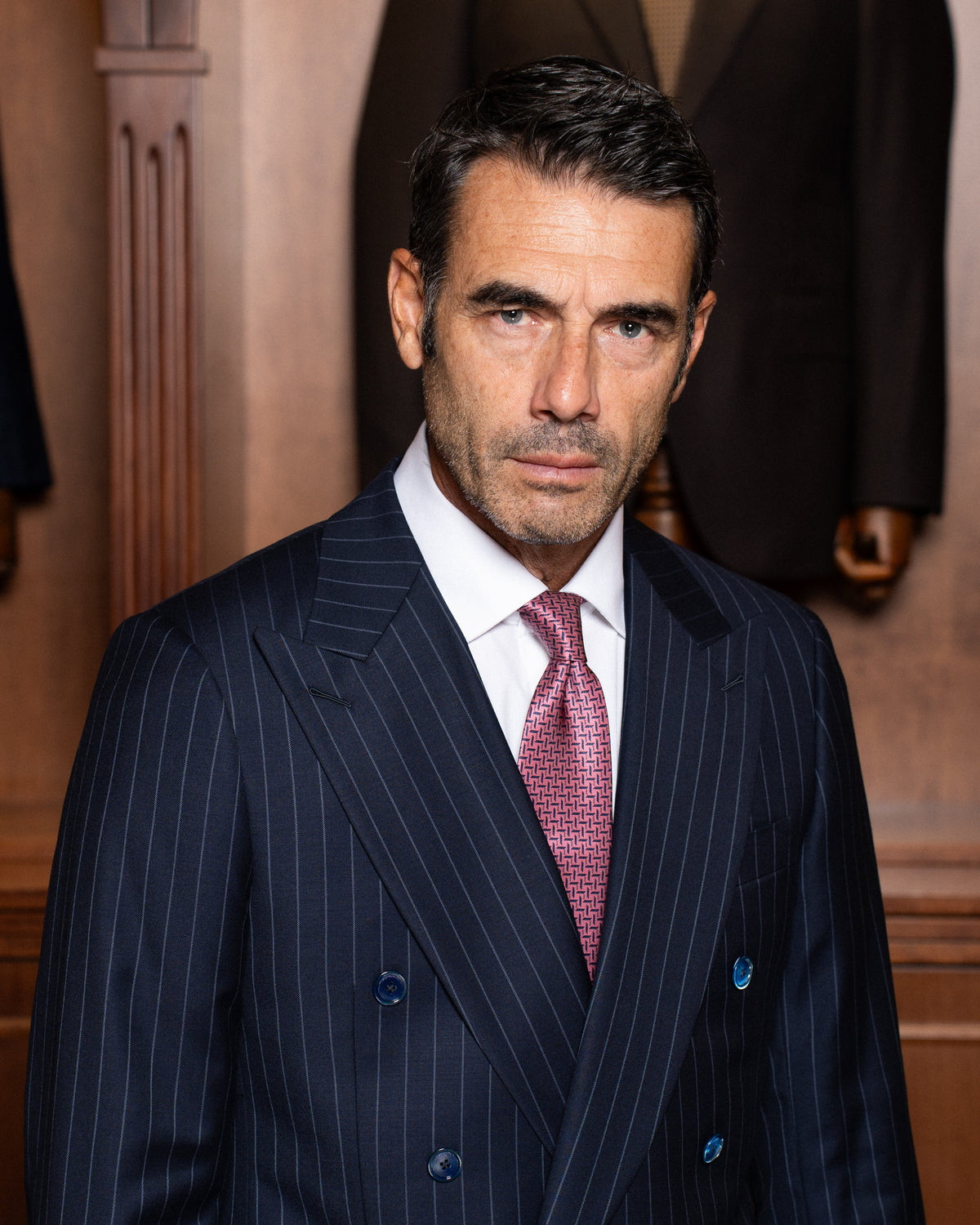
What should you wear if the invitation says formal? Formal means a solid, dark full suit with shirt and tie: no tuxedo, but no separate jackets or light pants either. It is the most common dress code at Italian weddings, by day and by night. In the daytime you can choose slightly lighter shades and a pearl grey tie; in the evening, midnight blue and charcoal are best. The Perugino suit in charcoal grey by Dalsarto, in a very fine-grained wool that catches the light, is the perfect answer to this dress code. With a silk tie, it is right for both the ceremony and the reception.
Cocktail: elegant, with personality
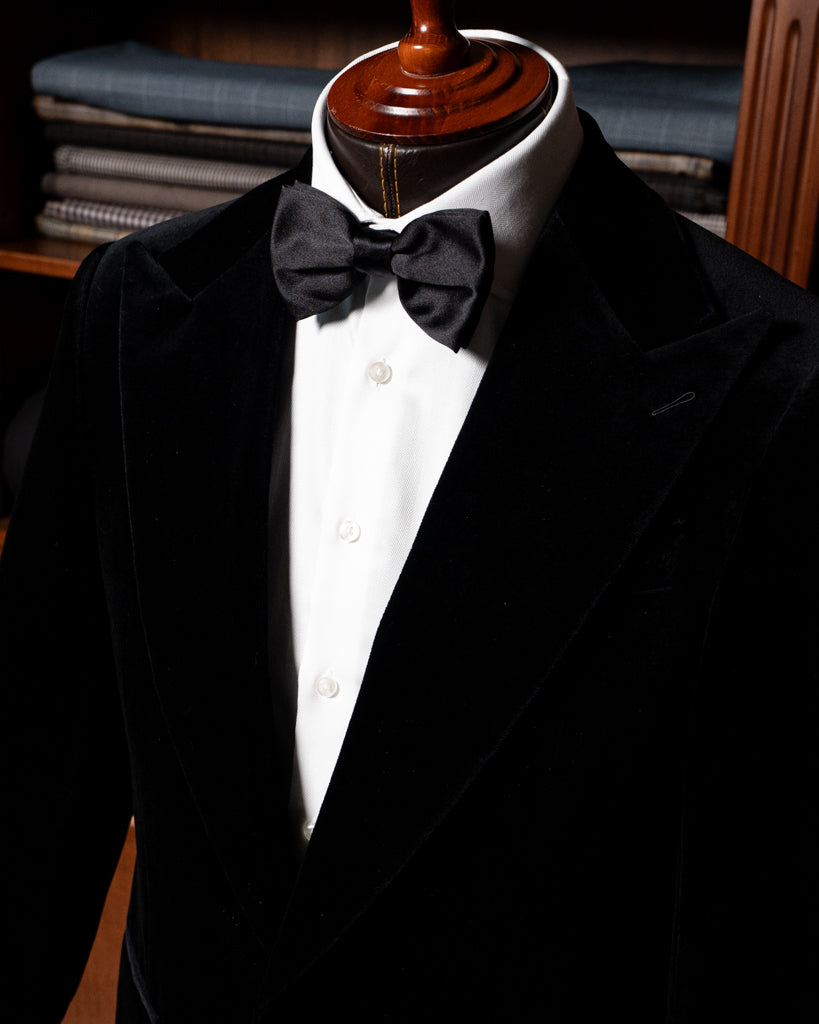
What does cocktail attire mean for men? Cocktail is an elegant dress code that is a little less rigid than formal: a dark suit is still perfect, but you can be bolder with colors, fabrics and accessories. It is typical of less traditional evening weddings and city receptions. A tie is still recommended, but this is the setting where a velvet jacket or a suit in a deep color comes into its own. The Modernico black velvet jacket by Dalsarto, worn with dark pants and a white shirt, is designed for grand occasions and gala dinners. It is the most refined interpretation of cocktail attire.
Smart casual: the jacket without the suit
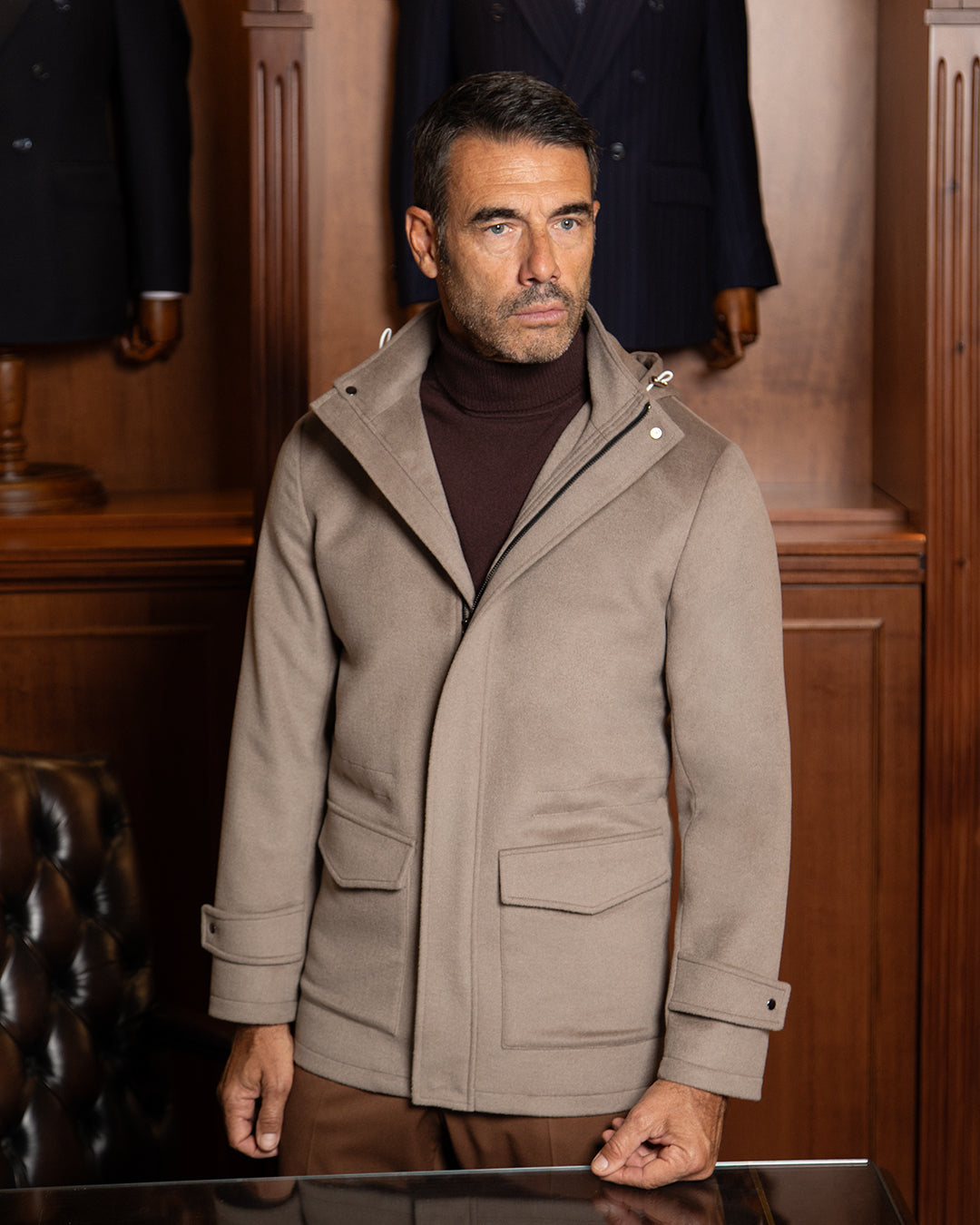
What should you wear to a smart casual wedding? Smart casual signals an informal wedding, often outdoors or in the countryside: a full suit is not required, but a jacket is still a must. The ideal combination is a navy or patterned jacket with grey or beige pants, a shirt and, optionally, a tie. It does not mean jeans or sneakers: it is still a wedding. The Giotto blue jacket in wool, cashmere and silk by Dalsarto combines the structure of a classic jacket with the softness of noble fibers, perfect for elegant separates. When in doubt, it is always better to bring a tie.
No dress code: the dark suit rule
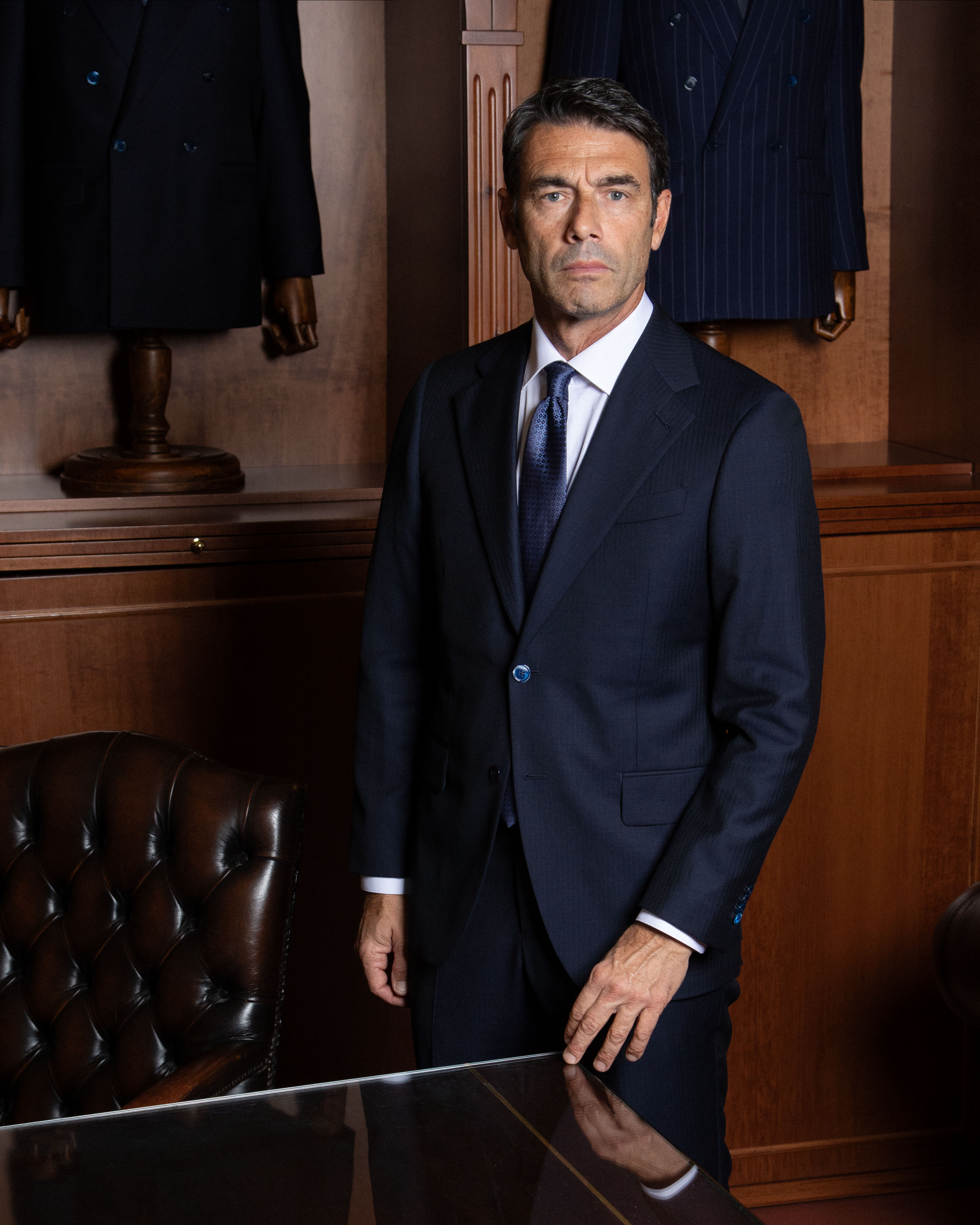
What should you wear to a wedding if the invitation has no dress code? When the invitation says nothing, the safest rule is a solid dark suit, navy or grey, with a white shirt and a silk tie. It is a choice that works in almost any setting, by day or by night. If the wedding is in the evening at a very elegant venue, you can ask the couple whether a tuxedo is welcome. The Giotto suit in Dalsarto Blue, in pure wool with a classic 10.2 cm lapel and mother-of-pearl buttons, is the most versatile answer to an invitation without guidance. It is always better to be one step more elegant than one step less.
| Dress code | What to wear | Tie | Avoid |
|---|---|---|---|
| Black tie | Black or midnight blue tuxedo | Black bow tie | Dark suit, long tie |
| Black tie optional | Tuxedo or dark suit | Bow tie or dark tie | Light suits, separates |
| Formal | Solid dark suit | Silk, pearl grey by day | Tuxedo by day, separates |
| Cocktail | Dark suit or velvet jacket | Recommended | Too casual a look |
| Smart casual | Jacket with different pants | Optional | Jeans, no jacket |
| No dress code | Dark navy or grey suit | Silk | Improvised looks |
The value of the right dress code with Dalsarto
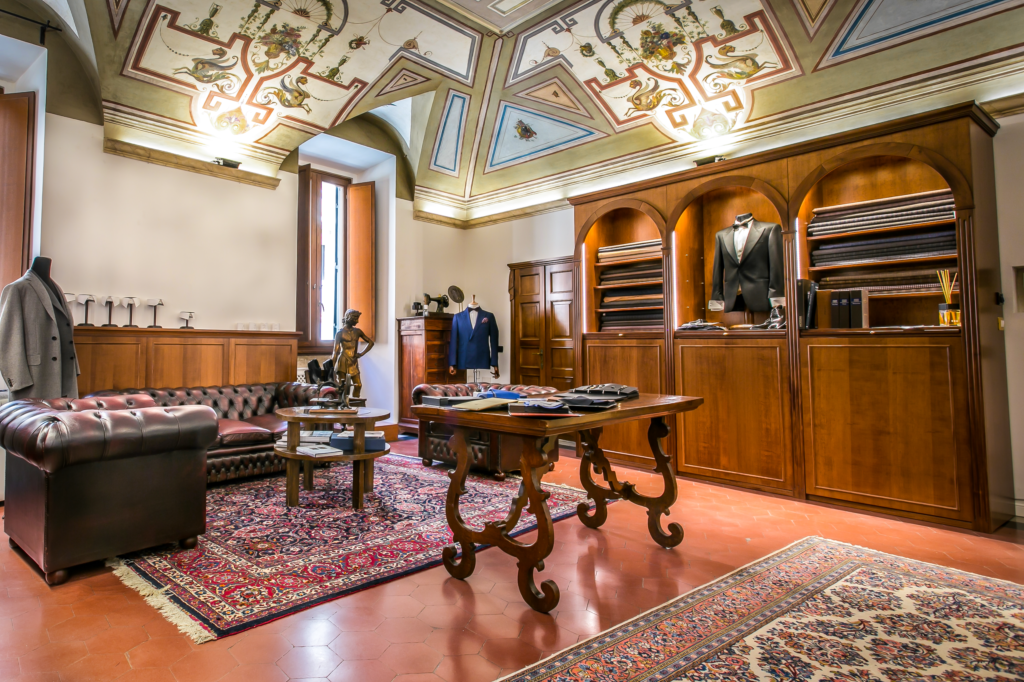
Why does it matter to respect a wedding dress code? Because the dress code is an invitation within the invitation: the couple imagines an atmosphere, and every guest helps create it. Being dressed the right way means feeling at ease throughout the celebration, without the sense of being out of place. For daytime ceremonies, for example, the pearl grey jacquard tie with micro-texture by Dalsarto is the expression of understated luxury. At Dalsarto, every dress code finds its answer, from the tuxedo to the separate jacket. From the Dalsarto atelier in Rome, the right elegance accompanies every invitation.