


Two coats in the same color and fabric can feel completely different, and the reason is in the details. The closure, the shape of the lapels, the number of buttons and the style of the pockets all change how a coat looks, how formal it feels and how it suits the man who wears it. At Dalsarto, every coat is defined by these details, from the double-breasted Napoleon to the clean single-breasted overcoat. This guide explains each one, so you can recognize them and choose the coat details that suit your style.
Single-breasted or double-breasted: the first choice
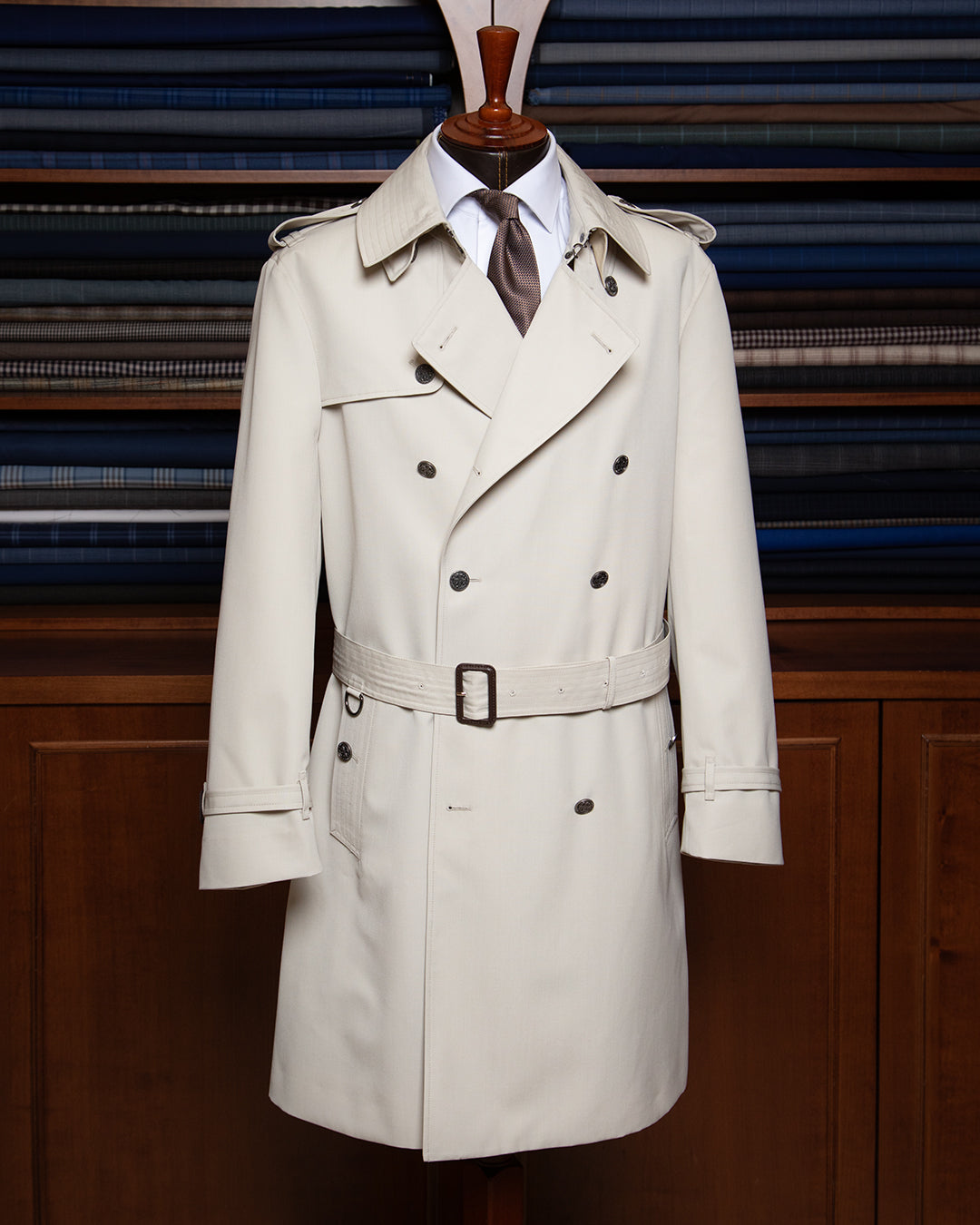
What is the difference between a single-breasted and a double-breasted coat? A single-breasted coat has one row of buttons and a narrow overlap at the front, creating a clean, vertical line. It is the most versatile choice, easy to wear over a suit or with casual clothes. A double-breasted coat has a wider overlap and two rows of buttons, giving a stronger, more structured silhouette with more presence. In the Dalsarto collection, both are well represented: single-breasted models for everyday elegance, and double-breasted coats such as the Napoleon for those who want more authority.
Buttons: two, three, four or six
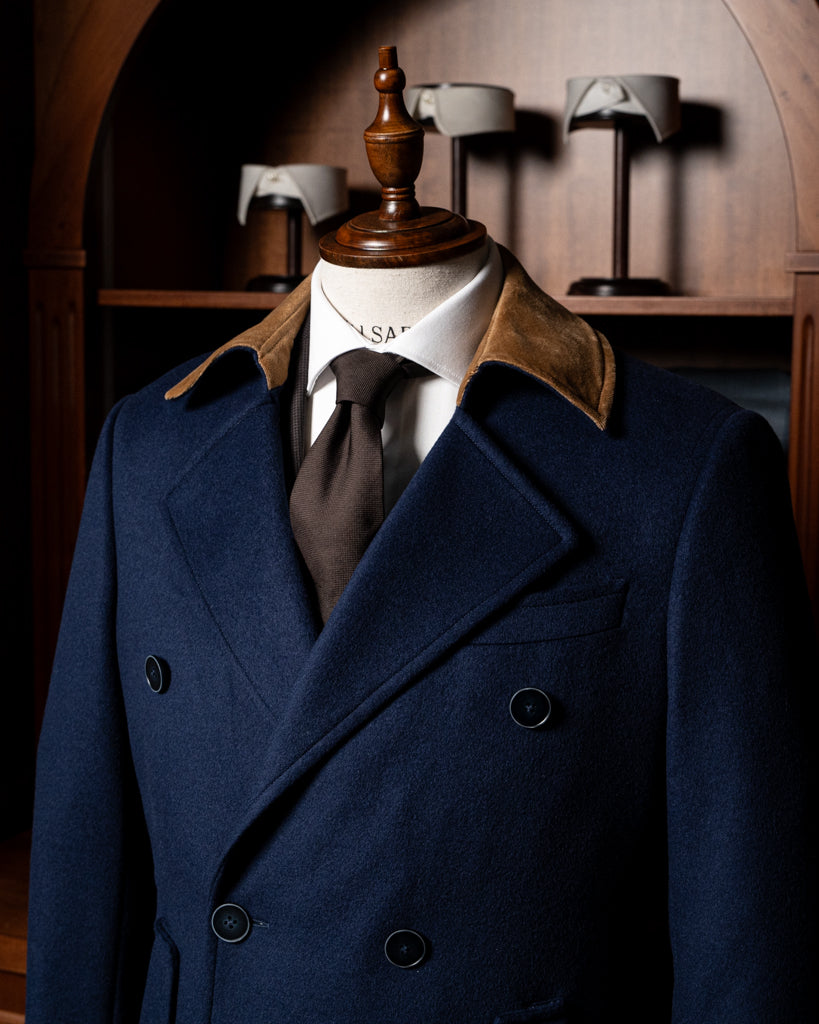
How many buttons should a coat have? On a single-breasted coat, two or three buttons are the classic choice, with three giving a slightly higher, more protective closure. On a double-breasted coat, the arrangement is described with two numbers: a 6x2 coat has six buttons, two of which fasten. Six buttons create the most traditional and formal double-breasted look, while four buttons give a more compact, modern front. The Dalsarto Dark Blue Napoleon Coat, for example, has six mother-of-pearl buttons in a 6x2 arrangement.
Lapels: notch, peak and Napoleon
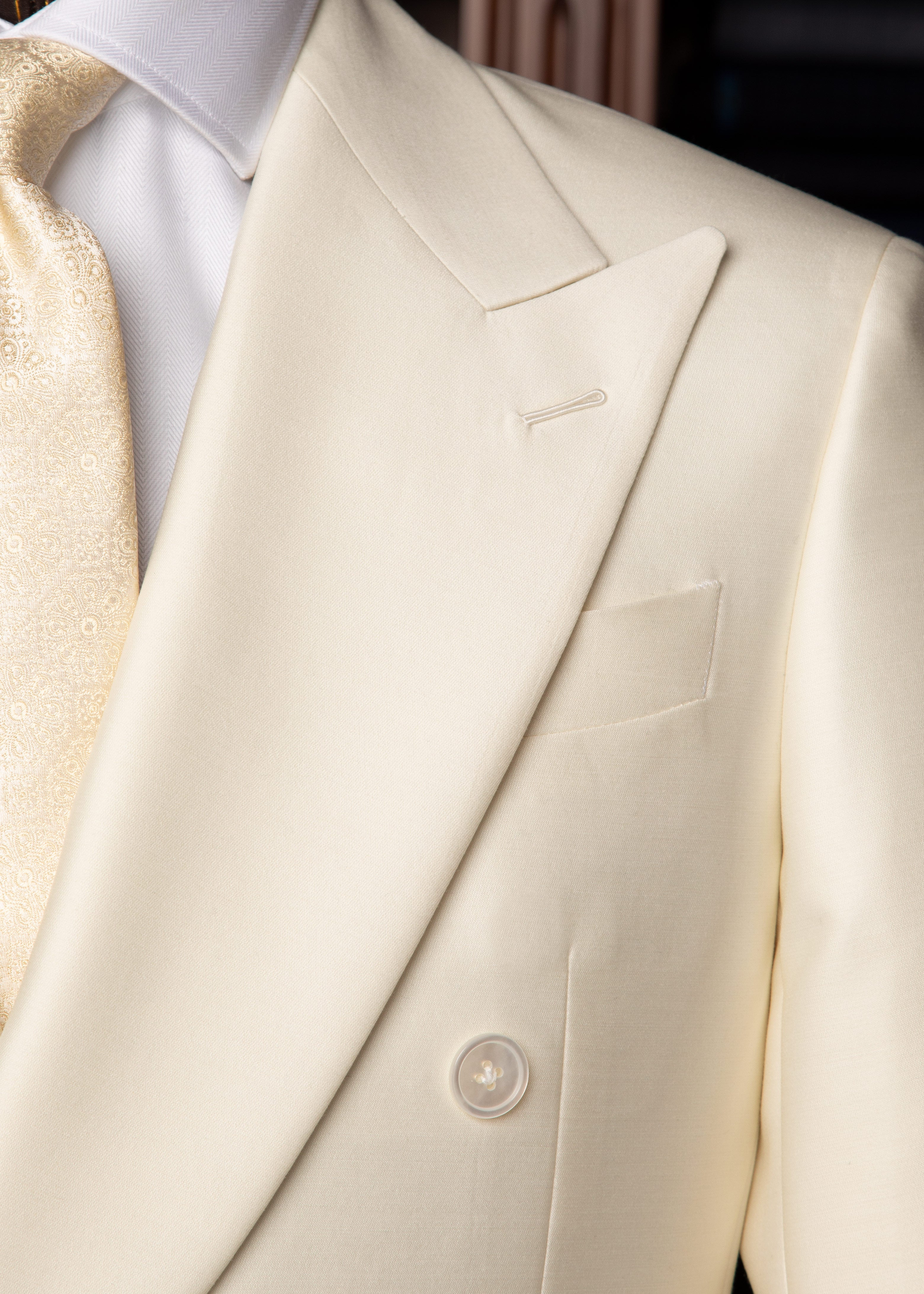
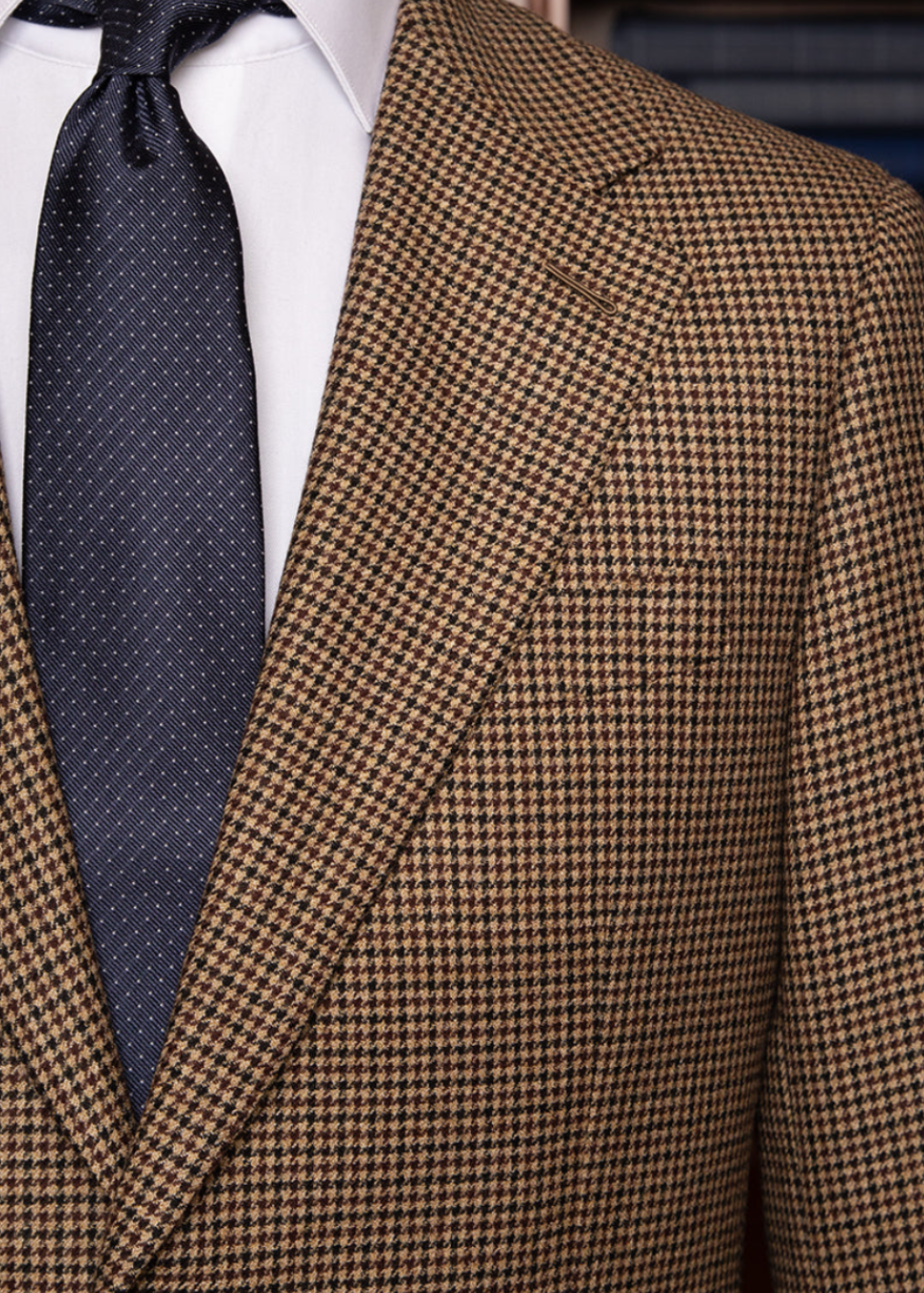
Which coat lapel should you choose? The notch lapel is the most common and versatile, with a small notch where the collar meets the lapel, ideal for daily and business wear. The peak lapel points upward toward the shoulders, broadening the chest and adding formality, which is why it is often found on double-breasted coats. The Napoleon lapel is a bolder interpretation: on the Dalsarto Napoleon coats it features wide peak lapels that emphasize the shoulders, and on some models a velvet undercollar that appears when the collar is turned up. It is a distinctive choice for those who want a coat with character.
Pockets: flap, welt and patch
What type of pockets should a coat have? Flap pockets are the classic choice, with a flap covering the opening to protect from rain and keep the line tidy. Welt pockets are slim and minimal, giving a cleaner, more elegant front, and they are often used on formal coats such as the Dalsarto Napoleon, where buttoned welt pockets follow a vertical line that elongates the torso. Patch pockets are sewn onto the outside of the coat, giving a more relaxed and sporty look, ideal for casual coats.
Lining: the hidden detail
Should a coat be lined? For most coats, yes. A lining helps the coat slide easily over a suit jacket, adds warmth and protects the inside of the fabric over time. It also makes the coat more comfortable to put on and take off throughout the day. Almost every coat in the Dalsarto collection is lined, a detail that is rarely seen but felt every time the coat is worn.
| Detail | Options | Effect | Best For |
|---|---|---|---|
| Closure | Single-breasted, double-breasted | Clean and versatile, or structured and authoritative | Everyday wear, or formal and executive wear |
| Buttons | Two, three, four, six | From minimal to more traditional and formal | Casual to formal occasions |
| Lapels | Notch, peak, Napoleon | From versatile to bold and distinctive | Business, evening, statement coats |
| Pockets | Flap, welt, patch | Classic, clean or relaxed | Business, formal, casual |
| Lining | Lined | Comfort, warmth and easy wear over a suit | Almost every coat |
How to choose the right details
How do you combine coat details? Start from how you will wear the coat most often. For the office, a single-breasted coat with notch lapels and flap pockets is the safest and most elegant choice. For evenings and formal events, a double-breasted coat with peak or Napoleon lapels and welt pockets gives more presence. For weekends, patch pockets and a softer silhouette feel more natural. On the Dalsarto website, coats can be filtered by exactly these details, from closure and lapels to buttons and pockets, making it easier to find the right model.
The value of details in Dalsarto coats
Why do coat details matter so much? Because they turn a coat from a simple garment into a personal one. Every detail, from the lapel to the last button, changes the proportions and the message of the coat. In the Dalsarto tailored coats collection, each model combines these details in its own way, from the essential single-breasted coat to the double-breasted Napoleon. Choosing Dalsarto means choosing a coat where nothing is left to chance, down to the smallest detail.