



Last updated: November 2026
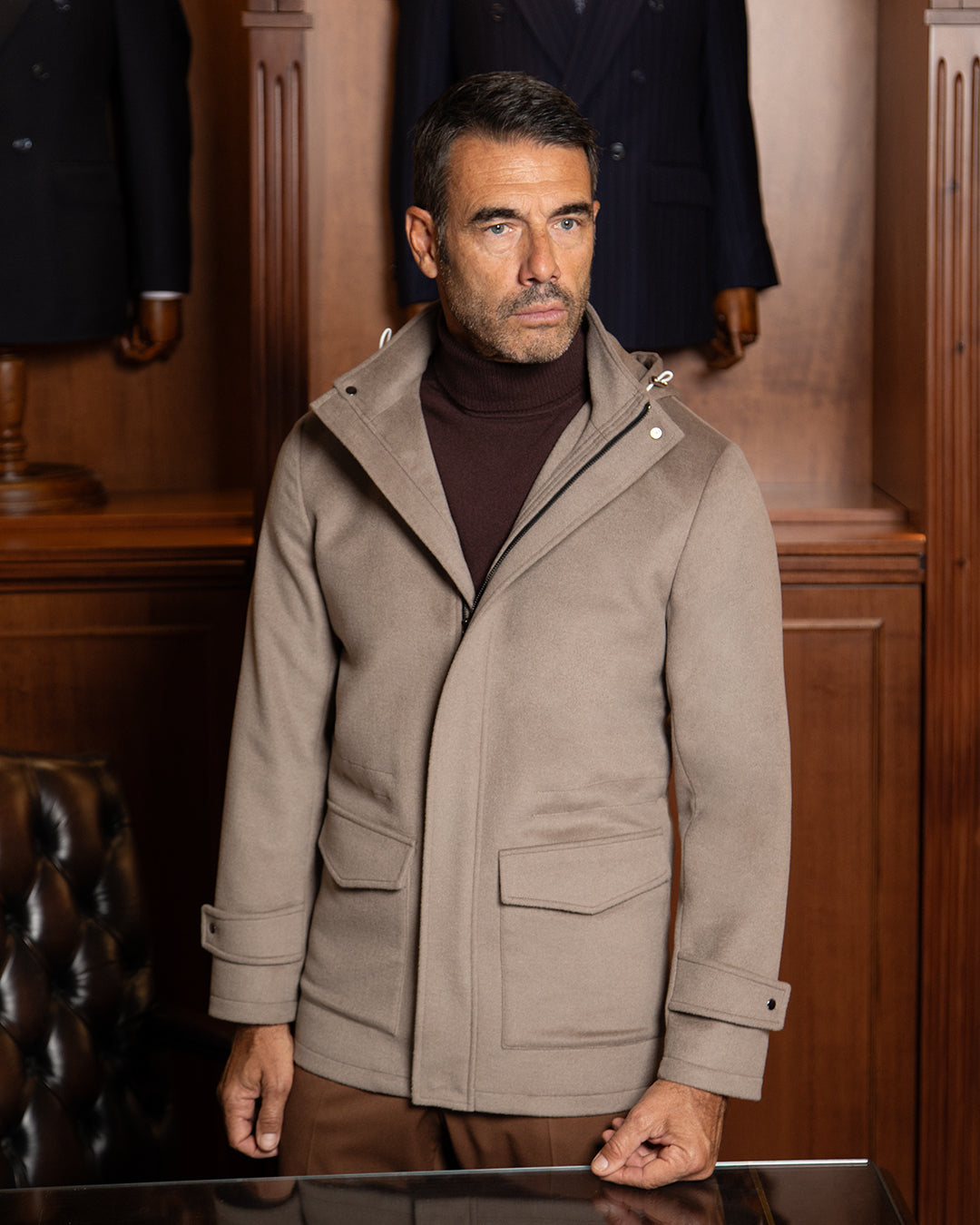
The most common men's coat mistakes are choosing a coat that is too short, too tight or wrong at the shoulders, pairing it badly with the suit and neglecting its care: details that spoil even the finest coat. In winter, the coat is the first thing people see, often before the suit. That is why a mistake in size or length shows immediately. At Dalsarto, coats are designed to go with the suit in the right proportions. Here are the 10 mistakes to avoid and how to fix them.
In brief
- A coat must always cover the jacket and should be tried on with the suit underneath.
- The shoulders are the most important point: they must follow those of the jacket.
- The color of the coat should contrast with the suit, not blend into it.
- Over a tuxedo, wear a dark coat, black or navy.
- A wide hanger and a brush keep a coat in shape for years.
Mistake 1: why is a coat that is too short a mistake?
A coat that is too short is a mistake because it lets the suit jacket peek out, breaking the proportions and looking careless. It is the most visible mistake, especially when the coat is worn over a formal suit. A coat should fully cover the jacket, so it usually reaches the knee or just above. Very short models only work with casual looks. The dark blue three-button coat by Dalsarto has a length calibrated to the knee, the safest measure over a suit.
Mistake 2: why is trying on a coat without a jacket wrong?
Trying on a coat without a jacket is wrong because you choose a size that, once worn over a suit, turns out tight at the shoulders, chest and sleeves. A coat is worn over other layers, and its size should be chosen with that in mind. Over a suit, a coat that is too close-fitting pulls at the buttons and marks the jacket. That is why you should always wear a jacket when trying one on, or at least something similar. Only then can you see the real fit.
Mistake 3: what happens if the coat's shoulders are wrong?
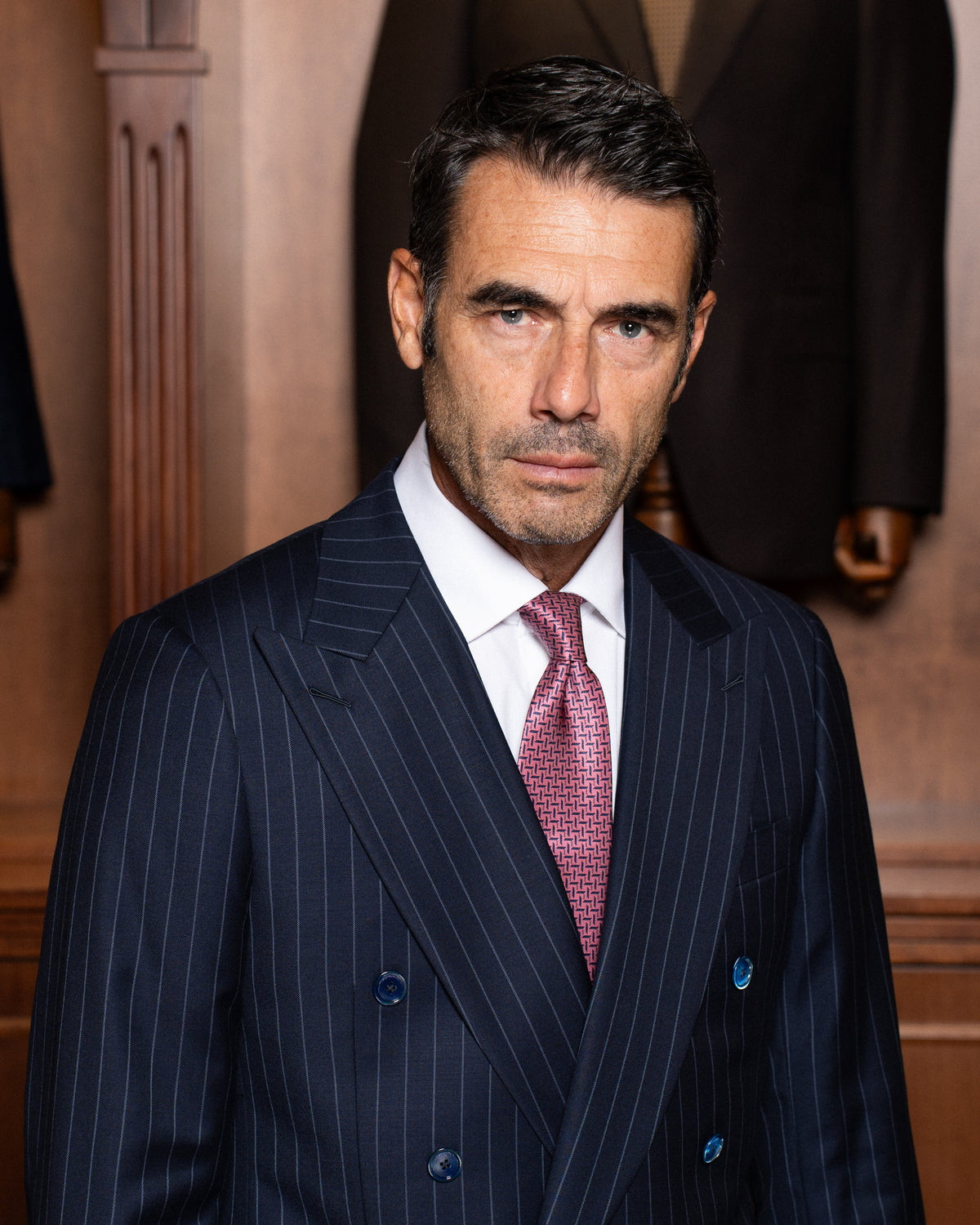
If the coat's shoulders are too narrow they pull over the jacket; if they are too wide they droop and make the coat look a size too big. The shoulders are the hardest part to alter, so they are the first criterion when choosing. The shoulder seam should sit just beyond that of the jacket underneath. A well-built shoulder gives shape to the whole coat. Dalsarto coats in the Mantegna model, for example, have defined shoulders designed to be worn over tailored suits.
Mistake 4: how long should coat sleeves be?
Coat sleeves should fully cover the jacket and the shirt cuff: sleeves that are too short or too long are a very common mistake. With short sleeves the layers underneath show, and the look appears untidy. With sleeves that are too long the coat looks borrowed. The right point is roughly at the base of the thumb. Sleeves, fortunately, are easy for a tailor to shorten or lengthen.
Mistake 5: why should the coat color contrast with the suit?
The coat color should contrast with the suit because, if it is too similar, coat and suit blend together and the look loses definition. A camel coat over a beige suit, for example, looks dull. The classic contrasts are camel over navy, navy over grey and grey over navy. Tones should also be consistent: warm colors with warm, cool with cool. The camel coat in wool and cashmere looks its best over a navy or grey suit.
Mistake 6: can you wear a sporty jacket over a suit?
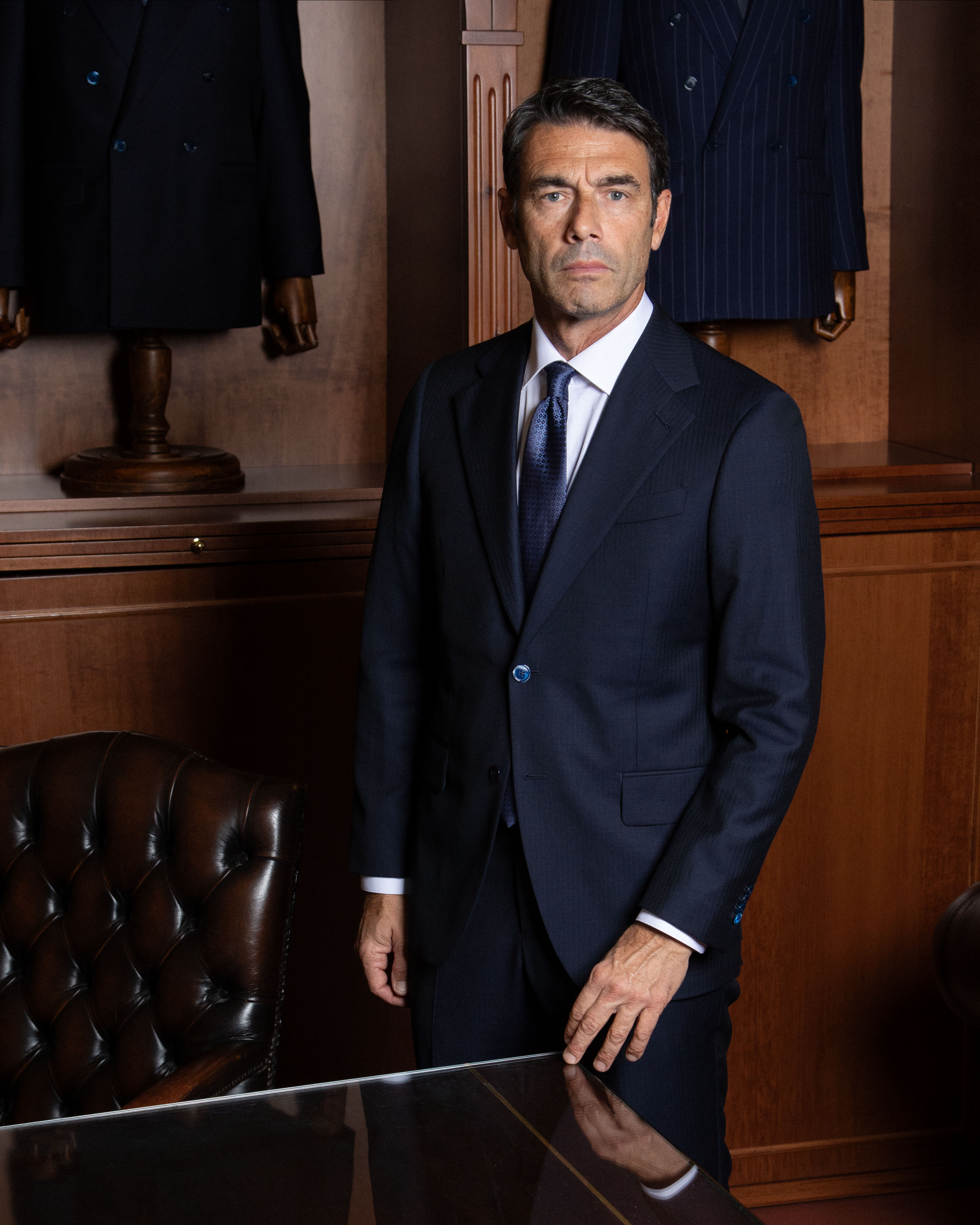
Wearing a sporty jacket over an elegant suit is a mistake, because it mixes two levels of formality that do not work together. Over a suit you need tailored outerwear: a coat or, in spring and autumn, a trench. Technical jackets are designed for free time and spoil the line of the suit. They are also often shorter than the suit jacket, which stays visible. The Mantegna grey coat in wool and silk, a three-button single-breasted, is an elegant, practical alternative for every day.
Mistake 7: should a double-breasted coat be worn open?
No, a double-breasted coat is worn buttoned: open, the front panels fall loose and the coat loses its shape. A double-breasted coat is built to be closed, with overlapping panels that give structure to the torso. Open, the extra fabric moves untidily. A single-breasted coat, on the other hand, can also be worn open at less formal moments. The Napoleon navy coat by Dalsarto, a 6x2 double-breasted, looks its best fully buttoned.
Mistake 8: why shouldn't you fill the coat's pockets?
You shouldn't fill a coat's pockets because a phone, keys and wallet distort them and, over time, ruin the line of the coat. Coat pockets are made for light items, not to replace a bag. The weight pulls the fabric down and creates unsightly bulges. It is better to use the inside pockets for small, flat items. A coat with empty pockets keeps its shape for many years.
Mistake 9: which coat should you wear over a tuxedo?
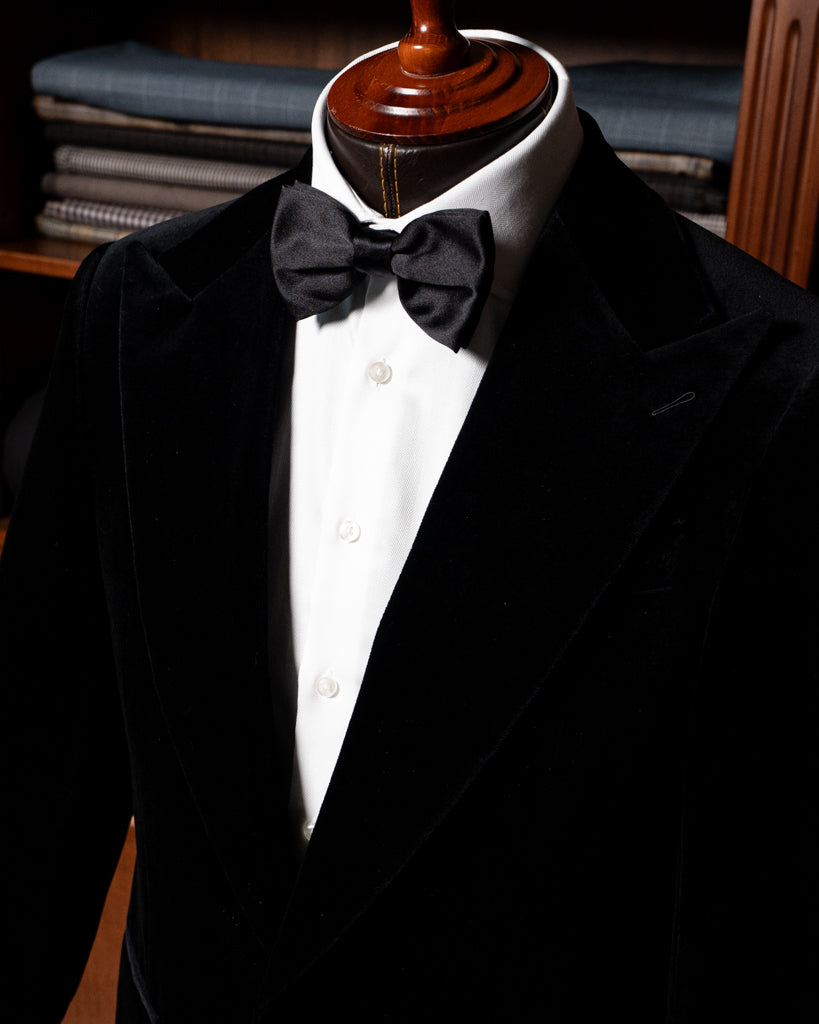
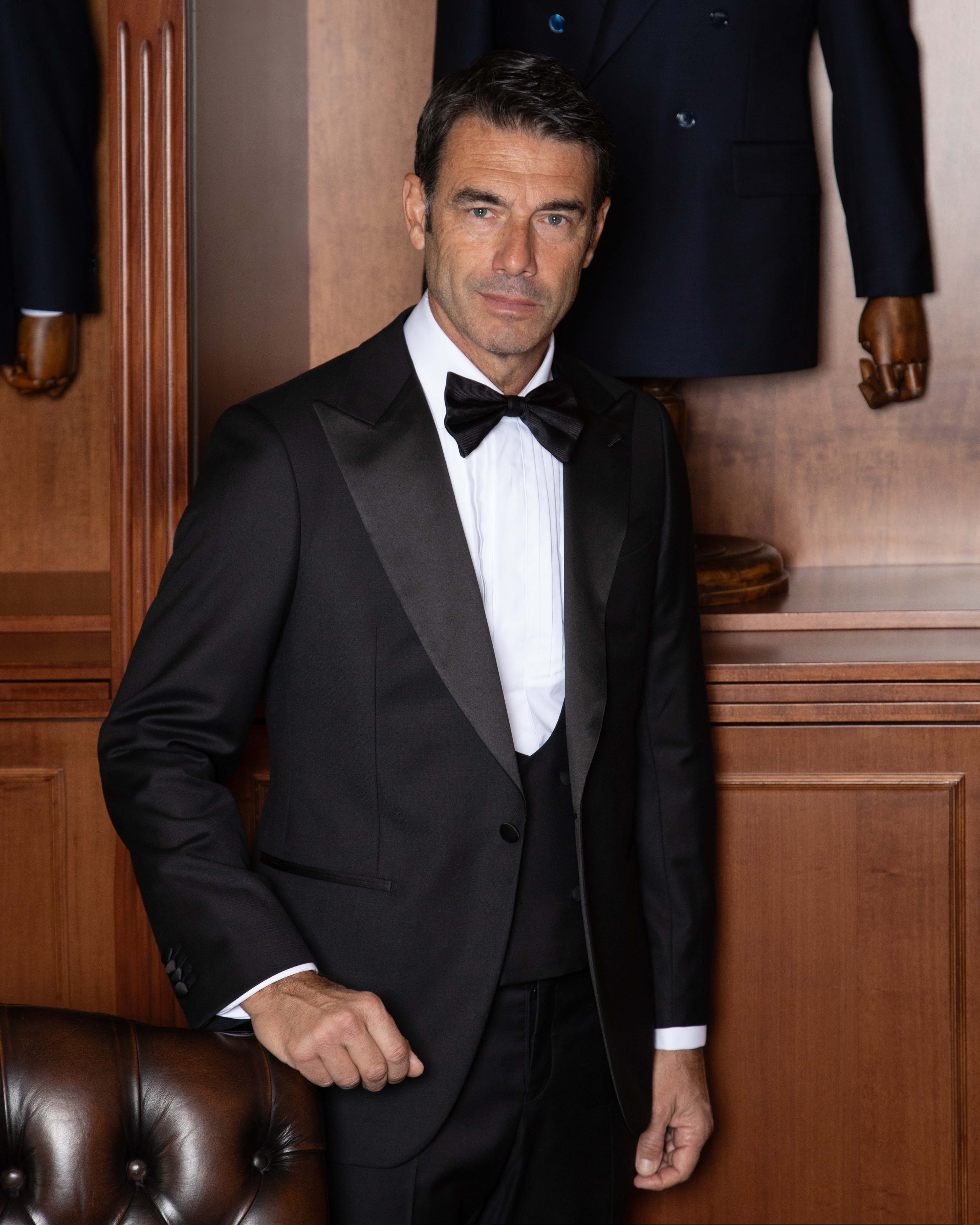
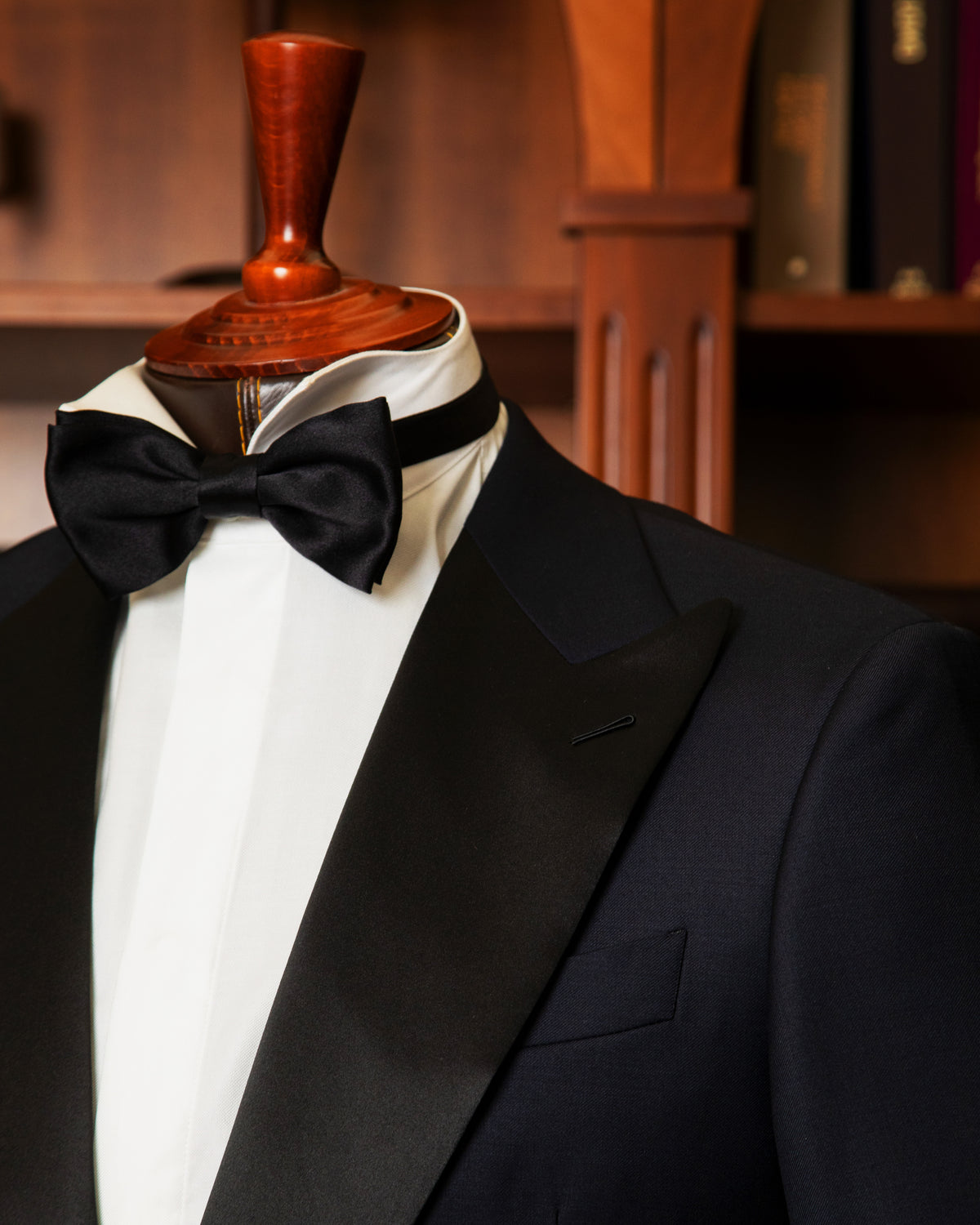
Over a tuxedo, wear a dark coat, black or midnight blue; a light coat such as camel is a mistake at formal evening events. The color of the coat must respect the formality of the tuxedo. A dark, long, understated coat completes the evening look without distraction. Details such as a velvet collar add elegance. The Ulster black coat in cashmere, wool and silk, a six-button double-breasted, is a fitting choice for the most important evenings.
Mistake 10: how do you ruin a coat with the wrong care?
You ruin a coat by hanging it on thin hangers, not brushing it, cleaning it too often and storing it damp or dirty at the end of the season. Thin hangers deform the shoulders, while wide, shaped ones keep their form. A brush removes dust and residue without stressing the fibers. Dry cleaning should only be done when needed, not every season. Before storing it, the coat should be cleaned and kept in a breathable garment bag.
| Mistake | Why it is wrong | How to avoid it |
|---|---|---|
| Too short | The jacket peeks out below | Choose a coat that covers the jacket |
| Tried on without a jacket | Too tight over the suit | Always try it on with a jacket underneath |
| Wrong shoulders | It pulls or droops | Choose the size by the shoulders |
| Wrong sleeves | The layers underneath show | Sleeves at the base of the thumb |
| Same color as the suit | A flat look | Create contrast |
| Sporty jacket over a suit | Mismatched formality | A tailored coat or trench |
| Double-breasted worn open | It loses its shape | Wear it buttoned |
| Full pockets | They distort the coat | Light items only |
| Light coat over a tuxedo | It breaks the formality | A black or midnight blue coat |
| Wrong care | Deformed shoulders, damaged fabric | Wide hanger, brush, breathable garment bag |
Why does avoiding these mistakes make a difference?
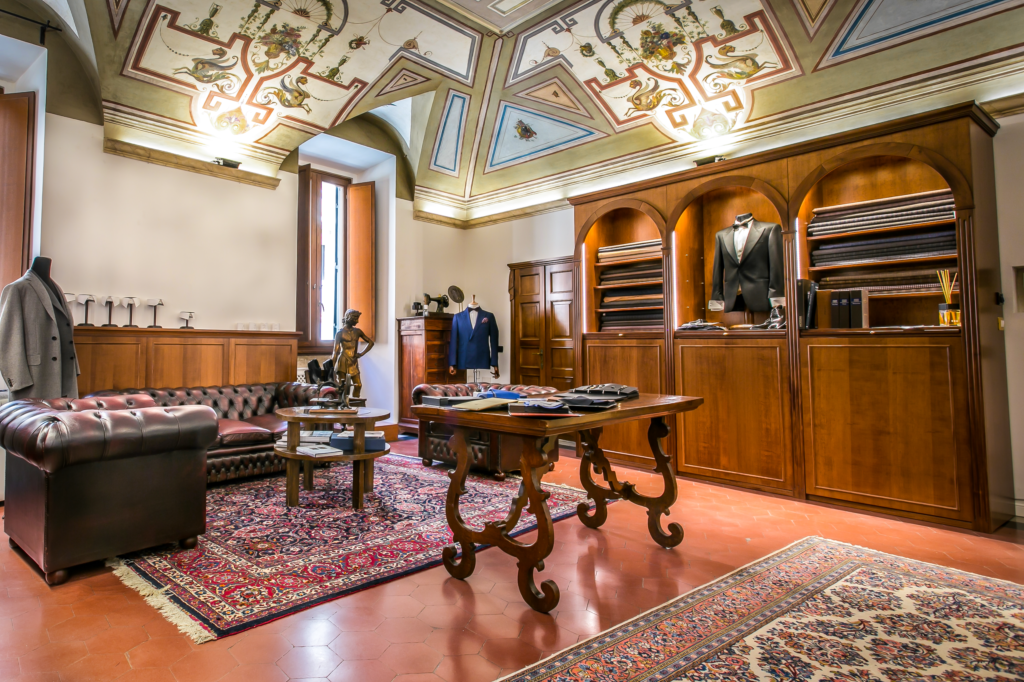
Because a coat of the right size, length and color enhances the suit and lasts for many winters, while a mistake shows at first glance. Most of these mistakes can be avoided at the fitting, by choosing carefully. The others depend on daily use and care. At Dalsarto, coats come in single- and double-breasted models designed to be worn over a suit. At the Dalsarto atelier in Rome, you can try the coat on with a jacket underneath, avoiding the most common mistakes from the start.
Frequently asked questions
What is the most common coat mistake? Choosing it too short, so the jacket peeks out; all the measurements are in the guide to men's coat length.
Should you buy a coat one size up? Not necessarily: choose it by trying it on over a jacket, so the shoulders sit well.
How do you wear a coat over a suit? Covering the jacket, with sleeves and shoulders of the right size; the rules are in the guide on how to wear an overcoat with a suit.
Which coat color is most versatile? Navy and grey, followed by camel; see the guide to coat colors for men.
What should you wear under a coat? A suit, a sports jacket or a shirt with tailored pants; see the guide on what to wear under a coat.
How do you care for a cashmere coat? With a brush, a wide hanger and dry cleaning only when needed; the differences between fabrics are in the guide cashmere vs wool coat.
Trench coat or overcoat over a suit? An overcoat in winter, a trench in spring and autumn; the differences are in the guide trench coat vs overcoat.
Does a double-breasted coat suit everyone? It suits a lean figure best, always buttoned; a classic example is the Napoleon coat.